You will step into Scotland’s football cathedrals and trace the stories behind terraces and stands, where historic charm meets civic pride. As you travel from Ayrshire to Glasgow you sense the electric atmosphere that fuels supporters and the intense rivalries that can strain crowd control, tempered by modern safety standards. This concise guide equips you to grasp each ground’s architecture, capacity and cultural weight, shaping your matchday experience.
Historic Grounds
You move through terraces that have shaped Scottish footballing memory, where every flag and broken seat tells a story of cup nights and international drama. Here the fabric of the game is tangible: national finals, record crowds and seismic moments in spectator safety all sit alongside museum exhibits and club lore.
As you read on, the contrasts between Hampden’s national gravitas and Ibrox’s club-centred intensity become apparent; both grounds have been rebuilt and reimagined repeatedly, but each still offers specific, measurable markers-capacities, record attendances and landmark years-that define their place in your own experience of the game.
Hampden Park
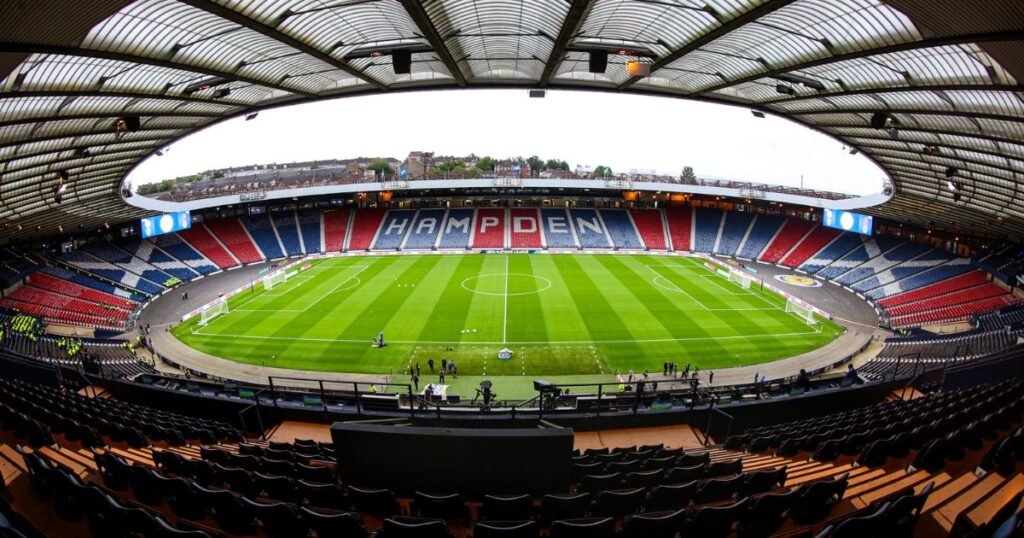
You enter a stadium that functions as Scotland’s national stage: current capacity 51,866, regular host of the Scottish Cup Final and the Scotland national team, and home to the Scottish Football Museum. The ground’s most astonishing statistic remains its record crowd of 149,415 for Scotland v England in 1937, a figure that underlines both the stadium’s historical scale and the evolution of safety and seating that followed.
You’ll notice the modern bowl after mid‑to‑late 20th‑century redevelopment, which turned Hampden into an all‑seater arena suitable for major internationals and UEFA fixtures; notably it staged group matches and a quarter‑final during UEFA Euro 2020. For matchday planning you can combine a tour of the museum with a walk around the stands to appreciate how the historic sightlines were preserved even as the venue was brought up to contemporary standards.
Ibrox Stadium
You feel the club identity from the moment you approach Ibrox-home of Rangers with a capacity of around 50,817-and that identity carries a complex history. The ground is marked by two tragic events in particular: a wooden-terrace collapse in 1902 and the stairway crush of 1971 that resulted in 66 fatalities, episodes that prompted major safety overhauls and ultimately accelerated the move to modern, all‑seater stands.
You’ll also find that the post‑1971 reconstruction created one of the most imposing club stadia in Britain, where atmosphere is engineered as much as organic. The combination of the steep seating, the proximity to the pitch and the vocal ends produces what supporters call the “Ibrox roar”; guided tours and the club museum let you view the trophy displays and the players’ tunnel that have been the backdrop to countless European nights.
For practical detail, the stadium’s principal stands-the Main Stand, Broomloan, Copland Road and Govan-offer different vantage points: you’ll get the most sustained noise in the Broomloan and Govan areas, while the Main Stand houses executive facilities and the museum access. Visiting on a non‑match day lets you see the scale of the post‑rebuild engineering and the ways in which safety improvements after 1971 were embedded into both structure and stewarding practice.
Modern Marvels
When you step into the modern sections of Scotland’s grounds you encounter a fusion of steel, glass and engineering that has reshaped matchday expectations; contemporary stadia now prioritise sightlines, accessibility and year-round usability. You see under-soil heating, high-capacity Wi‑Fi, LED floodlighting and tiered corporate facilities that turn a single fixture into multiple revenue streams, while improvements in turnstiles, CCTV and stewarding have sharply raised safety standards for tens of thousands of supporters.
At the same time, technology has been married to heritage: many clubs have retained original façades or museum spaces so your visit still connects to history even as you enjoy modern comforts such as padded seating, improved concourses and hospitality boxes. You will notice how hybrid pitches and improved drainage reduce postponements, and how multi-use designs let grounds host concerts and community events, boosting local economies beyond the 90 minutes on the pitch.
Celtic Park
You stand at one of Scotland’s most imposing football arenas, where capacity sits at roughly 60,800 and match nights create a seismic atmosphere that opponents cite as a real advantage. The 1990s reconfiguration into an all-seater bowl transformed sightlines and safety, while later additions – expanded hospitality suites and a club museum celebrating landmark seasons and the Lisbon Lions legacy – give your visit cultural depth as well as comfort.
On Champions League evenings the ground demonstrates how infrastructure meets intensity: improved acoustics, big screens and LED lighting complement passionate support, and the club’s investment in fan facilities and stewarding means you benefit from both spectacle and orderly crowd management. You can also expect modern hospitality options and clear wayfinding that make arrivals and departures smoother than in the stadiums of earlier eras.
BT Murrayfield
You encounter Scotland’s largest national stadium at BT Murrayfield, with a capacity of about 67,144, and you quickly sense why it is the country’s go-to venue for major international fixtures and large-scale events. Originally opened in the 1920s and subsequently modernised, its bowl design and steep tiers deliver commanding sightlines for rugby and other spectacles, while the surrounding transport links and extensive concourse facilities handle heavy crowds with efficiency.
Beyond international test matches, the ground’s flexibility is evident: you will find corporate boxes, function suites and robust media facilities that support both sporting and non-sporting events, and the venue’s safety systems and stewarding protocols are geared to move tens of thousands of spectators safely. The scale of the site also means acoustic and crowd management considerations are prioritised, giving you a secure but electric atmosphere on big nights.
More detail shows how investments in accessibility and fan experience have paid off: upgraded seating, enhanced disabled access and improved catering outlets have made matchdays more inclusive and commercially sustainable, while routine pitch maintenance and event-day logistics keep the stadium ready for a full calendar of national team fixtures, tours and concerts. Strong transport links mean you can arrive and depart promptly, even when the stadium operates at full capacity.
Unique Features of Each Stadium
Atmosphere and Fan Culture
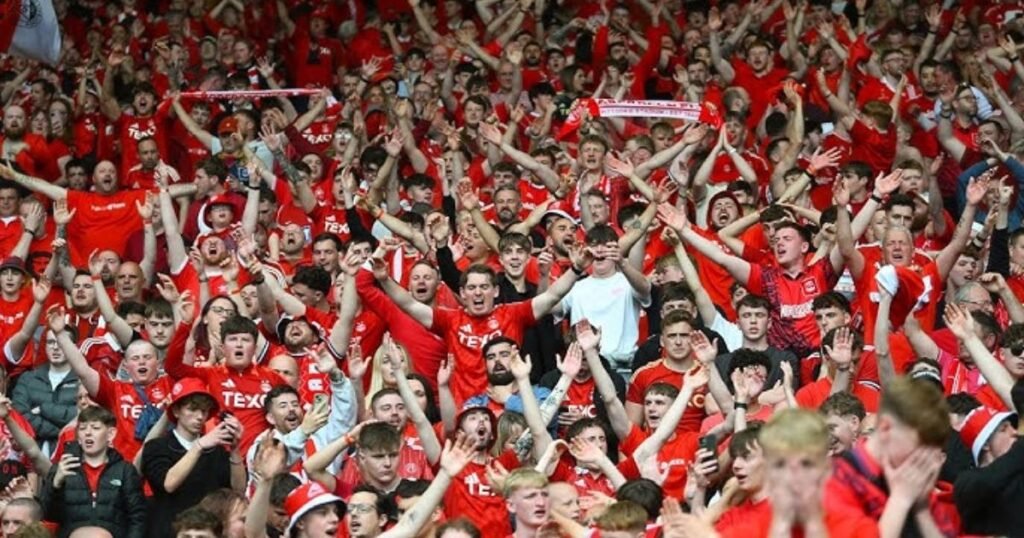
You’ll find the fiercest atmospheres at the Old Firm grounds: Celtic Park (capacity ~60,411) and Ibrox (capacity ~50,817) generate noise levels and pageantry that few other Scottish venues match. When you enter Celtic Park you can witness the Green Brigade’s organised tifos and drums; at Ibrox the sheer scale of the stands and the vocal backing creates a different, more regimented intensity. Both grounds regularly require enhanced police operations for derby days, because Old Firm derbies can spark disorder and demand careful stewarding and segregation plans.
You’ll also notice how smaller stadia amplify the crowd: places such as Tynecastle and Easter Road pull supporters close to the pitch so your senses are assaulted by chants and the smell of the turf. In the east of Dundee you can see a unique case study – Dens Park and Tannadice sit only around 200 yards apart, which concentrates local rivalry into a febrile, walk-to-match experience. Meanwhile Hampden’s national fixtures flip the script, where the stadium’s scale and history (including a record crowd of 149,415 in 1937) mean your experience mixes club passion with national spectacle.
Architectural Significance
You’ll observe how architecture has been shaped by both spectacle and safety: Hampden’s broad bowl and terraced origins were redesigned repeatedly, giving it the capacity and presence to host major finals, while the post-1971 works at Ibrox – prompted by the tragedy that left 66 people dead – transformed circulation, stairways and spectator sightlines. Modern cantilever roofs at Celtic Park and Ibrox deliver unobstructed views for tens of thousands, and many of the later refurbishments prioritised sightlines, egress times and covered seating.
You’ll find distinct milestones across the country: Pittodrie in Aberdeen became the first all-seater stadium in Britain (1978), an early example of spectator safety and comfort driving design. Contemporary interventions – hospitality suites, LED screens, under-soil heating and improved accessibility – have been layered onto older bones, so the stadiums read as palimpsests of different architectural eras. Hampden’s adaptability is a case in point: it was temporarily reconfigured to host athletics for the 2014 Commonwealth Games, demonstrating structural flexibility rarely seen in century-old grounds.
You’ll also note quieter innovations that affect your matchday experience: several clubs use 3G/artificial surfaces or hybrid pitch systems to increase community use and reduce weather-related postponements, and many newer stands employ modular steel and glass façades to create civic-facing concourses. The combined effect is that when you move from ground to ground you can study a timeline of engineering responses – from terracing and steep, intimate stands to modern, multi-use stadia built around safety, revenue and year-round utility.
Notable Matches and Events
Cup Finals and Derbies
At Hampden Park you’ll find the stage where the Scottish Cup has been decided for well over a century, the stadium acting as a neutral ground where legacies are made and silverware hoisted. The ground’s regular role in hosting cup finals has produced defining moments-penalty shoot-outs, last‑minute winners and record attendances-that only intensify the occasion, and when the Old Firm fixtures move to neutral sites the atmosphere becomes electric as supporters from both sides vie to make their presence felt.
When you step into an Old Firm at Celtic Park or Ibrox you encounter a completely different pressure: sustained noise, partisan singing and intense policing. These matches have also borne the darker side of football’s history; the Ibrox disaster of 1971, in which 66 supporters lost their lives, and earlier incidents prompted the move to all‑seater stadia and sweeping safety reforms, changes that now underpin your matchday experience with much stricter crowd management and stewarding.
International Fixtures
Hampden’s international pedigree is unmistakable and when you attend a Scotland match there you’re part of a lineage that includes the record UK international attendance of 149,415 for Scotland v England in 1937, a statistic that still shapes the ground’s mythos. You’ll notice how modern upgrades balance that history with contemporary standards: improved sightlines, segregated entrances and UEFA compliance so the stadium can stage high‑profile qualifiers and tournament fixtures.
For more detail, bear in mind Hampden has also played host to landmark European club fixtures on neutral turf-most notably the 2002 UEFA Champions League Final (Real Madrid 2-1 Bayer Leverkusen, 15 May 2002)-demonstrating how the ground’s configuration, broadcast facilities and transport links make it suitable for matches well beyond national team fixtures, and how you’ll often share the pitch’s legacy with both club and country occasions.
The Role of Stadiums in Scottish Football
When you consider the fabric of Scottish football, stadiums function as more than playing surfaces; they are economic and social anchors. You will notice that venues like Celtic Park (approximate capacity 60,832), Ibrox (approximate capacity 50,817) and Hampden Park (approximate capacity 51,866) not only host matchdays but also shape local hospitality, transport and retail patterns, with European nights routinely bringing thousands of visiting supporters into city centres and elevating overnight stays and spending.
Across redevelopment schemes and event bids, stadiums also act as catalysts for wider investment. You can point to numerous projects where clubs have injected tens of millions of pounds into stand upgrades, accessibility works and technology – investments that ripple into local construction jobs, long‑term maintenance contracts and increased commercial revenue from conference and concert use.
Economic Impact
On matchdays you can directly observe the economic engine a full stadium creates: a sell‑out at Celtic Park, for example, can generate well over £1.8m in ticket revenue alone if average ticket prices are around £30, and that figure multiplies once you include catering, merchandise and local hospitality spend. Smaller clubs also benefit proportionally; a 10,000‑attendance fixture can sustain hundreds of part‑time jobs in stewarding, catering and retail on a single day.
Big events amplify that effect. You will find that cup finals, European fixtures and concerts hosted at Hampden or Murrayfield can inject several million pounds into Glasgow and Edinburgh economies through hotel bookings, transport and visitor spending. Local councils and business improvement districts often measure these spikes, using them to justify transport upgrades and policing resources around stadia.
Community Engagement
You will see club foundations embedding stadiums into community life: organisations like the Celtic FC Foundation, Rangers Charity Foundation, Hibernian Community Foundation and Hearts in the Community run youth coaching, employability and mental‑health programmes that reach tens of thousands of beneficiaries annually. These initiatives use training pitches and meeting rooms within the ground to deliver structured courses, apprenticeships and outreach projects.
During emergencies and public‑health campaigns stadiums have also been repurposed as civic assets; several grounds served as vaccination or support centres during the pandemic, demonstrating how your local stadium can function as a public resource beyond sport. That flexibility strengthens ties between club and community while providing practical support at scale.
More granularly, you can trace community value through volunteering schemes, charity matchdays and stadium‑run foodbanks: clubs often partner with local schools and health services to offer classroom space, coach education and family hubs, and throughout 2020-21 many Scottish clubs distributed thousands of meals and care packages to vulnerable households, using their facilities as distribution points.
Future of Scottish Stadiums
Renovation Projects
Reinvestment is increasingly delivered through phased, stand-by-stand refurbishments rather than wholesale rebuilds, allowing you to keep matches on while upgrades proceed; clubs with large footprints such as Celtic Park (capacity ~60,411) and Ibrox (capacity ~50,817) have long discussed hospitality and spectator-flow improvements, while smaller grounds like Tynecastle (capacity ~20,099) demonstrate how targeted interventions can transform the fan experience without a complete teardown. Planning now emphasises deliverables you can measure: improved sightlines, expanded concourses, upgraded toilet and catering provision, and enhanced disabled access, all of which drive higher matchday yields but also introduce financial strain that must be modelled over 10-30 years.
When you study recent projects, the emphasis on incremental value is clear – expanded corporate facilities and better retail spaces often pay back investment faster than increased seating alone. You should expect more schemes to include improved accessibility and segregated circulation to boost fan safety, with architects favouring modular steel-and-glass extensions that can be added as funding arrives; overall costs for significant redevelopments typically sit in the range of tens to hundreds of millions of pounds, so governance, commercial strategy and community buy-in are decisive factors for whether a project proceeds.
Sustainability Initiatives
Policy and public expectation are forcing you to factor green measures into every project: with Scotland legislating a net-zero target by 2045, stadium plans increasingly include solar PV, LED floodlighting, building-management systems, rainwater-harvesting and electric-vehicle charging as standard; these steps deliver both environmental benefit and operational resilience, and they represent long-term savings when modelled against rising energy costs. Several clubs have begun retrofitting LED systems and adding EV bays to their car parks, and hybrid playing surfaces are being adopted to reduce pitch maintenance inputs and extend usable seasons.
Funding models for sustainability vary, and you will often see a mix of grant support, commercial energy-performance contracts and private investment used to close the gap between upfront costs and downstream savings; new builds commonly target recognised standards such as BREEAM to demonstrate performance to stakeholders, while community-oriented measures – improved public-transport links, active-travel facilities and shared-use heating systems – boost local support and reduce matchday car dependency. The interplay between environmental objectives and matchday economics is one of the most important considerations you will face when assessing any modernisation plan.
To give more detail on practical measures: you should consider integrated systems where rooftop solar is paired with battery storage and smart meters to shave peak demand, while rainwater-harvesting can supply pitch irrigation and washrooms to cut potable-water use; likewise, LED floodlight retrofits typically pay back within a few seasons through lower energy and maintenance bills, and prioritising transport integration-improved rail timetables, dedicated shuttle services and secure cycle parking-can reduce vehicle emissions and ease neighbourhood congestion on matchdays.
Summing up
On the whole, exploring the iconic stadiums of Scottish football shows you how each ground-from Hampden Park and Celtic Park to smaller historic venues-embodies layers of sporting heritage, architectural character and local identity; you appreciate how matchday atmosphere, club traditions and community ties make every visit distinctive and insightful for understanding Scotland’s football culture.
As you reflect on this journey through the grounds, you see how sensitive modernisation and careful preservation combine to keep stadiums fit for contemporary use while retaining their character; engaging with both major and modest venues gives you a rounded perspective on the past, present and likely directions for Scottish football infrastructure and supporter experience.