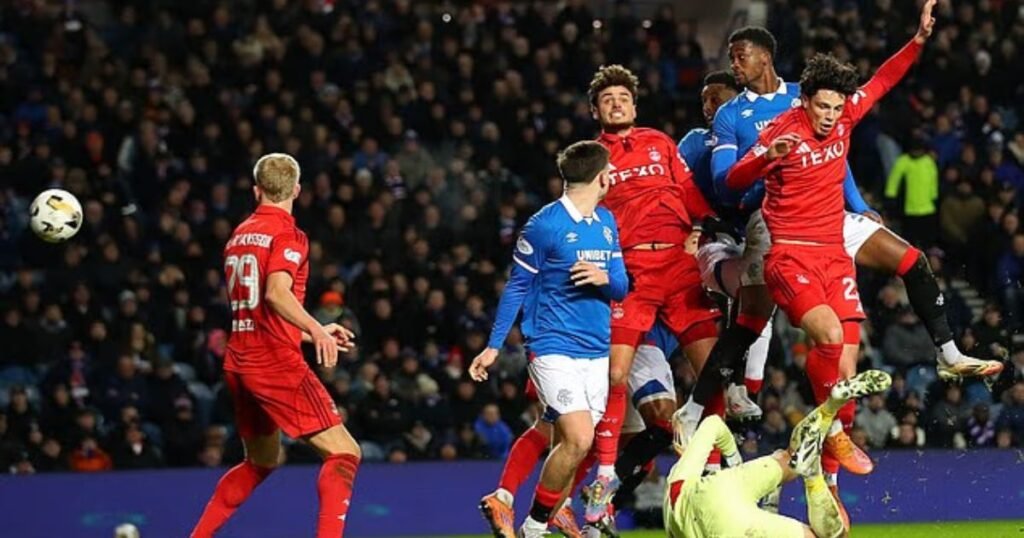
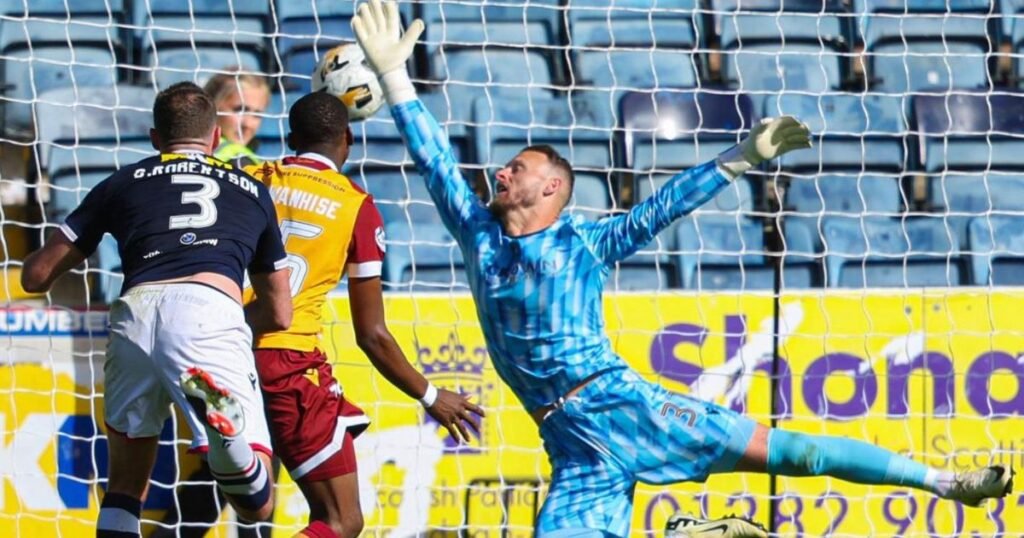
This concise guide puts you in control of the Scottish game, showing how the pyramid structure operates, how promotion and relegation and playoffs can be the most perilous moments for your club, and how the passion of supporters shapes every tier; you will learn where teams sit, what movement between divisions means for finances and rivalries, and how to follow the season with confidence.
Types of Leagues
You’ll encounter both national, fully professional divisions and a dense network of regional, part‑time and amateur competitions; the top four national tiers form the core of the SPFL, while the pyramid below features the Highland and Lowland leagues feeding regional divisions. Attendances, budgets and full‑time squads are concentrated in the upper tiers, with the Premiership (12 clubs) standing apart in revenue and European qualification opportunities.
- Promotion and relegation between tiers via automatic places and playoffs
- National cups (Scottish Cup, League Cup) include clubs from all levels
- Regional leagues (West, East, South) often consist of semi‑professional or amateur outfits
| Tier | League / Notes |
| 1 | Scottish Premiership – 12 clubs, European spots, highest revenues |
| 2 | Scottish Championship – 10 clubs, playoff route to Premiership |
| 3 | League One – 10 clubs, mix of full‑time and part‑time squads |
| 4 | League Two – 10 clubs, promotion/relegation with pyramid via playoffs |
Professional Leagues
When you follow the professional tiers, you should note that the four national divisions under the SPFL are structured to balance competition and commercial viability: the Premiership (12 clubs) provides European qualification slots and accounts for the largest match‑day and broadcasting incomes, whereas the Championship, League One and League Two (each typically 10 clubs) operate tighter budgets and greater variance in squad professionalism. Clubs such as Celtic and Rangers average crowds in the high tens of thousands, creating a marked financial gulf between the top and lower national tiers.
Match consequences are tangible – automatic relegation, multi‑round playoffs and licensing criteria mean you can track a club’s fate across seasons: for example, the playoff system between Championship and Premiership often decides final promotion spots after a two‑leg series, while clubs moving down face reduced revenue and tighter wage policies.
Amateur Leagues
You’ll find the grassroots side characterised by regional leagues – West of Scotland, East of Scotland and South of Scotland among them – many sitting at tiers below the Lowland/Highland level and fielding predominantly amateur or semi‑professional teams. The pyramid integration since 2013-20s has allowed clubs to climb from local leagues into the national system: a notable case is Kelty Hearts, who moved from the Lowland League into League Two and then established themselves further up the structure within a few seasons.
Facilities, volunteer support and community ties shape these leagues; gate receipts are modest, so clubs rely on sponsorship and fundraising, and the SFA licensing process governs any club’s eligibility for promotion into the national tiers – you should check licences and ground criteria when following promotion candidates.
Further details matter: cup competitions like the Scottish Amateur Cup, regional cup runs and local derby attendances often define a club’s season and can generate momentum for a push up the pyramid; development pathways for youth and community programmes are also central to sustaining progress in the amateur game.
Recognizing how the professional and amateur structures interlink helps you follow promotion routes, financial pressures and the real stakes for clubs across every level.
Step-by-Step Guide to Understanding the System
Begin by mapping the pyramid top to bottom: the SPFL’s top four divisions sit at tiers 1-4, followed by the regional tier‑5 leagues and numerous feeder leagues below. As you work through fixtures, table positions and play‑off permutations, focus on the team counts-Premiership 12, Championship 10, League One 10, League Two 10-because those figures determine how many automatic places and play‑off slots exist each season.
Next, translate that map into action: track automatic promotion spots, the play‑off paths for 2nd-4th places and the interchange between the SPFL and the Highland/Lowland Leagues. Use the table below to follow a practical sequence you can apply week to week when assessing promotion possibilities and relegation risk.
Step-by-step checklist
| Step | What you should check and why |
| 1. Identify the tier | Confirm which tier a club occupies (SPFL Tiers 1-4 or Tier 5 Highland/Lowland); movement rules differ sharply by tier. |
| 2. Note league size | Count the teams (e.g. Premiership 12); that affects automatic relegation/promotion slots and the number of play‑off places. |
| 3. Track final positions | Determine who finishes 1st (usually automatic promotion) and who finishes in play‑off positions (2-4 in most SPFL divisions). |
| 4. Follow play‑off format | Understand home/away legs and seeding: lower play‑off rounds are two‑legged ties leading to a final that may face a higher‑tier team. |
| 5. Check eligibility | Verify club licensing and ground standards; failure to meet SFA/SPFL criteria can block promotion even if a club wins on the pitch. |
| 6. Watch inter‑league play‑offs | For tier 4↔5 movement, look for the Highland vs Lowland champions and the subsequent tie against League Two’s bottom club. |
Overview of League Structure
You should see the system as two parts: the SPFL’s national, professional tiers (1-4) and the semi‑professional/regional pyramid beneath them. The SPFL was formed in 2013 and runs the Premiership (tier 1, 12 clubs) down to League Two (tier 4, 10 clubs); directly below, tier 5 has the Highland and Lowland Leagues which act as the main feeders into the national game.
When you assess a club’s pathway, factor in geography and club resources: a Highland League champion faces a different logistical and financial reality from a Lowland champion, and both must meet off‑field standards to progress. That off‑field dimension often decides promotion as much as results do on the pitch.
Promotion and Relegation Mechanics
In the top tiers you’ll see a mix of automatic moves and multi‑round play‑offs: the Premiership champion is safe at the top while the bottom club is relegated, and typically the team finishing 11th enters a play‑off with the Championship play‑off winner. Within the Championship, League One and League Two, the usual model is automatic promotion for champions and a play‑off path involving teams placed 2nd-4th to determine who challenges for the higher tier.
Between the SPFL and tier 5 you’ll find a two‑stage process: the Highland and Lowland champions meet in a play‑off, and the winner then faces the bottom club in League Two over a two‑leg tie for an SPFL place. That means the League Two side’s status is often decided across four intense, two‑legged matches at season’s end.
Pay particular attention to eligibility rules: even if your team wins its play‑off, promotion can be refused if the club lacks an appropriate SFA licence, acceptable facilities or financial stability. For you as a fan, that makes off‑field audits and licensing deadlines as important to monitor as the league table in the final weeks.
Key Factors Influencing Scottish Football
Several off‑pitch elements determine how clubs perform and survive: fan engagement drives match‑day revenue and atmosphere, financial stability dictates transfer policy and squad depth, while infrastructure and player development shape long‑term competitiveness. You will notice the gap between the Old Firm and the rest of the pyramid in both income and visibility – Old Firm fixtures regularly attract attendances north of 40,000 and TV audiences in the hundreds of thousands, whereas many Championship and lower‑league clubs see average gates between 1,000-6,000. European participation can swing a club’s budget by several million pounds in a season, and high‑profile academy sales (for example a young player moving for an amount in the multi‑millions) materially alter smaller clubs’ trajectories.
Key factors to watch include:
- Fan Engagement – match‑day income, season‑ticket uptake and digital subscriptions can represent a majority of revenue for lower‑league clubs; Old Firm matches skew national figures.
- Financial Stability – historical examples such as Rangers’ administration in 2012 show how off‑field mismanagement can reset league positions and community trust.
- Player Development – successful academies produce saleable assets; selling a home‑grown talent can fund infrastructure or reduce debt.
- Infrastructure – stadium grading and training facilities affect eligibility for European competition and appeal to recruits.
- Governance – licensing, wage controls and governance standards influence who can compete and invest at each tier.
Fan Engagement
You need to assess engagement beyond raw attendance: local sponsorships, community programmes and youth outreach affect long‑term loyalty and commercial potential. Clubs such as Celtic and Rangers monetise global followings through merchandise, international friendlies and broadcast rights, while smaller clubs increasingly rely on targeted digital offerings and crowd‑funding-initiatives like the Foundation of Hearts demonstrate how supporter mobilisation can rescue or improve club assets and facilities.
Match atmosphere also has a measurable impact on performance and recruitment; scouts and players take note of crowd sizes and club culture. You should track season‑ticket renewals and online engagement metrics because a steady rise in those figures usually correlates with improved sponsorship deals and a healthier balance sheet.
Financial Stability
You must examine income streams: broadcast and European revenues are concentrated at the top, whereas many clubs live or die by gate receipts, local commercial deals and occasional player sales. Historic shocks-administration, relegation or sudden owner withdrawal-can wipe out years of progress, so look at recent annual accounts, debt levels and the club’s reliance on benefactor income when judging resilience.
Wage‑to‑turnover ratios and cashflow are practical indicators of stress: clubs operating with wages close to or above turnover face a high risk of insolvency, while steady season‑ticket sales and diversified commercial income reduce vulnerability. Licensing rules from the SFA and European eligibility criteria mean you should also check whether planned investments meet regulatory standards before expecting on‑field returns.
You can get more detail by comparing annual reports, noting how many months of operating costs the club holds in cash, and checking for contingent liabilities such as deferred transfer fees or owner loans. The
Tips for Fans
Practical decisions will shape how much you get out of following the Scottish Football League; think in terms of accessibility, cost and the kind of matchday atmosphere you want. Compare travel time (many fans prefer clubs within 30-60 miles to keep away days realistic), average attendances, and whether you prefer the full-time intensity of the SPFL or the community feel of the Highland League and Lowland League. Assess the club’s recent stability: clubs with recurring insolvency issues can leave you out of pocket and disenfranchised, while established outfits usually offer better long‑term value for a season ticket.
To put those considerations into action, use this quick checklist before committing:
- Visit at least three home matches across different competitions to judge atmosphere and travel logistics;
- Compare typical ticket and season ticket prices-lower‑league single tickets can be as low as £10, Premiership prices commonly sit several times higher;
- Check governance and finances via club accounts or supporter summaries to spot risky ownership or debt;
- Speak to regulars and local pubs to understand rivalries and away support culture.
How to Choose a Team
You should weigh geography and identity first: if you want regular match attendance, prioritise clubs less than an hour’s drive away, and if local loyalty matters, factor in family ties or community links. Consider playing level and ambition-if you prefer top‑tier football, look at Premiership and Championship sides; if you value grassroots engagement, explore clubs in the lower leagues where you can meet players and volunteers at the clubhouse. Analyse a club’s trajectory over the past five seasons (promotion/relegation patterns and average league position) to avoid short‑lived success or chronic decline.
Investigate ownership and finances before investing emotionally: examine whether the club has a supporters’ trust, recent fundraising campaigns, or public accounts indicating sustainable budgets. Try three home matches and one away before deciding-attending cup ties or derbies will reveal how the squad and supporters react under pressure, and matchday costs will give you a realistic annual budget for tickets, travel and merchandise.
Engaging with the Community
You can deepen your support by joining official supporters’ clubs or fan forums where season travel, coach pitches and ticket swaps are organised; many clubs run structured community programmes that welcome volunteers, youth coaches and matchday helpers. Start by subscribing to the club’s newsletter, following official channels on social media and turning up to a supporters’ trust meeting-these steps connect you with other fans and often provide early access to ticket releases and away allocations.
Getting involved also means contributing beyond matchday: volunteer roles such as stewarding, programme selling, junior coaching or fundraising are common and typically need only a few hours a week or month. Expect basic requirements like a simple application and, for roles involving children, a DBS check; clubs and trusts will usually outline expected commitments (for example, a two‑hour shift per match or a monthly committee meeting) and training provided.
More information: contact the club’s community officer to ask about ongoing projects, typical volunteer tasks and any short courses they run; many Scottish clubs run school outreach and local coaching schemes that need helpers, and joining a local pub group can plug you into matchday travel plans and ticket pooling. Any decision about how deeply you engage should balance the time you can commit with what gives you the most enjoyment and practical benefit as a fan.
Pros and Cons of the Scottish Football League System
When you assess how the pyramid operates in practice, the trade‑offs become clear: the system delivers mobility and local identity but also concentrates money and creates choke points that frustrate upward mobility. Below is a compact comparison that lays out the principal benefits and drawbacks you will see reflected in attendances, finances and on‑pitch competitiveness.
| Pros | Cons |
|---|---|
| Clear promotion/relegation ladder linking grassroots to the SPFL, giving ambition real pathways. | Limited SPFL openings – the pyramid currently funnels non‑league clubs into a very small number of promotion places each season, creating a bottleneck. |
| Intense top‑flight format – the 12‑team Premiership and split after 33 games keeps competition tight and fixtures meaningful. | Old Firm dominance concentrates attendances, sponsorship and broadcast revenue towards Celtic and Rangers, skewing competitive balance. |
| Strong regional identity preserved by Highland, Lowland and regional leagues, keeping local derbies and volunteer bases alive. | High travel and logistics costs for remote clubs (Highland areas), which can erode budgets and limit squad building. |
| Talent pathways – youngsters get competitive senior minutes via loans and lower‑league football. | Part‑time reality in lower tiers restricts training time, recovery and professional development for many players. |
| Cup competitions give smaller clubs national exposure and occasional giant‑killing moments. | Huge attendance variance – some League Two clubs average under 1,000, while top clubs draw above 50,000, creating revenue imbalances. |
| Recent governance reforms (SPFL formation in 2013 and pyramid developments since 2014-15) have made the overall structure more coherent. | Financial fragility – insolvencies and administration episodes show the system remains vulnerable to shocks. |
| Community engagement keeps clubs rooted and sustainable at a local level through volunteers and local sponsorship. | Inconsistent standards between Highland and Lowland levels can make direct comparisons and promotions uneven for clubs. |
| Opportunity for aspiration – lower‑league success can lead to rapid progress for well‑run clubs. | Fixture congestion from multiple cup and league commitments can strain player welfare, especially for small squads. |
Advantages of the Current System
You benefit from a system that, in practical terms, rewards merit: clubs that invest wisely and perform on matchday can climb from regional football into the national spotlight. The introduction of the formal pyramid linkage in the mid‑2010s means that Highland and Lowland champions have a route into the SPFL, which encourages better club planning, youth development and infrastructure projects aimed at meeting licensing standards.
Your matchday experience is also sharpened by formats that value competitive fixtures – the 12‑team Premiership split and playoff structures produce high‑stakes games that matter for survival, European spots and promotion. That intensity helps maintain interest across the season and gives smaller clubs windowed opportunities for revenue spikes through cup runs and local derbies.
Disadvantages and Challenges
You will encounter structural barriers that blunt the system’s fairness: financial concentration at the top and a narrow promotion funnel create long odds for ambitious non‑league clubs. With some Premiership clubs regularly drawing crowds above 50,000 while several League Two sides average below 1,000, the disparity in match‑day income, commercial reach and broadcast shares is stark – and it feeds on itself.
Your concerns about travel, part‑time status and player welfare are well founded. Clubs in remote areas face repeated long trips that inflate budgets and fatigue squads; meanwhile, part‑time players juggling jobs limit training intensity and recovery, which affects competitiveness in cup ties and promotion battles. High‑profile financial failures in the past demonstrate how swiftly a single shock can cascade through a small club.
For more detail: promotion from the non‑league system is effectively a two‑stage hurdle – the Highland and Lowland winners play off, and only the successful side then faces League Two’s bottom club for a single SPFL berth, so there is typically only one promotion opportunity from tier 5 to the SPFL each season. You can see how that creates a choke point that slows upward mobility, even when on‑field performance and club governance are strong.
To wrap up
Following this, you should now understand how the Scottish football league system is organised: the SPFL’s four divisions, the promotion and relegation process, the connection to non-league and regional tiers, and the role of cup competitions and European qualification in shaping club priorities. That framework lets you follow seasonal storylines, appreciate why individual fixtures carry weight, and interpret the significance of play-offs and derby matches with clarity.
Armed with those fundamentals, you can assess club ambitions, read league tables with confidence and plan matchday or travel decisions more effectively. Your informed perspective will deepen engagement with supporters’ communities, sharpen analysis of transfers and managerial moves, and ultimately enhance your enjoyment of Scottish football.

Co-Founder of Fitba Focus and MMA UK. A lifelong Rangers fan and former player, he combines over a decade of sports media experience with a deep-seated passion for the Scottish game. From the Ibrox stands to the lower-league terraces, Frankie is dedicated to providing honest, fan-led analysis of the full Scottish pyramid.