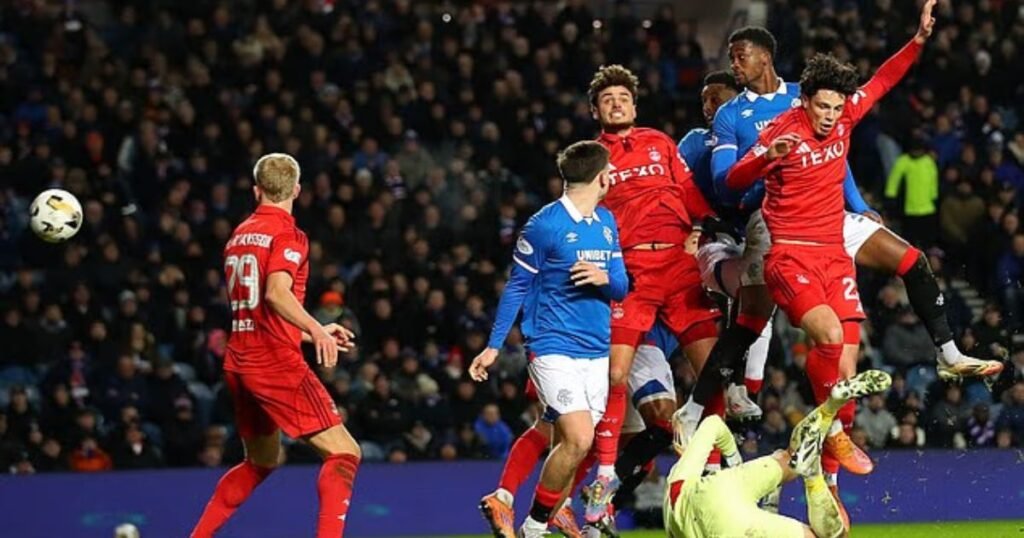
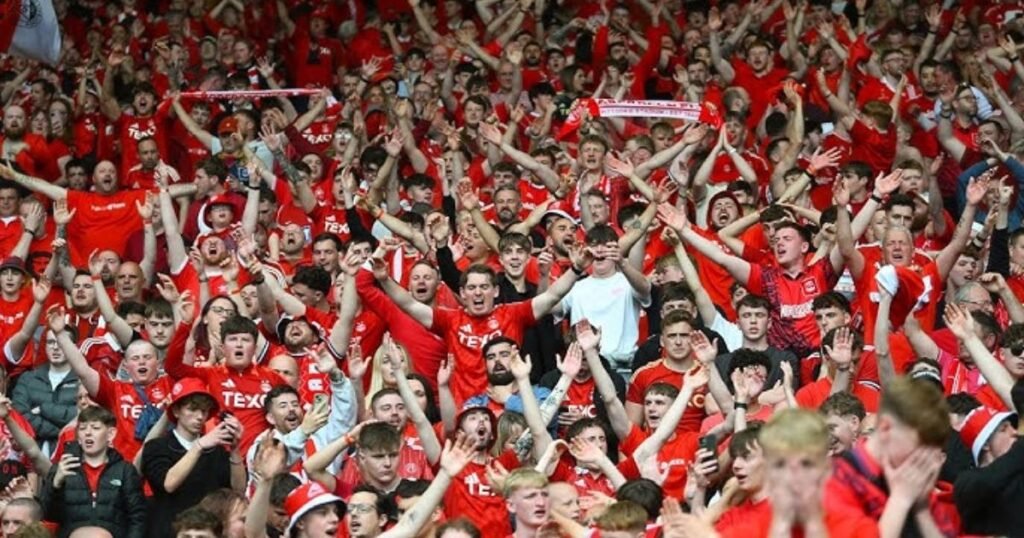
Aberdeen fans are facing backlash after a shocking video surfaced, showing them mocking the tragic Ibrox disaster that claimed 66 lives in 1971. Following their match against Rangers, supporters were caught on camera making disgraceful gestures and displaying the ominous number 71, provoking outrage across the football community. Rangers have condemned the behaviour as “abhorrent” and are calling for a thorough investigation as tensions rise between the rival factions.
Aberdeen Fans Mock Ibrox Disaster: A Disturbing Trend
The recent mockery of the Ibrox disaster by Aberdeen fans has reignited discussions regarding the limits of football rivalry. The moment, captured on video after a match at Pittodrie, where two fans made crude gestures, demonstrates a growing trend that many believe crosses the line of acceptable rivalry. The tragic events of 1971, which resulted in the deaths of 66 Rangers supporters, should be treated with the utmost respect. Yet, in this instance, the culmination of rivalry and disrespect was glaringly evident, leading to rightful outrage from the Rangers community.
More than just a football match, this incident highlights the need for better management of fan behaviour and understanding of the emotional weight behind such tragedies. As Rangers issued a statement denouncing the actions of the Aberdeen supporters, it became clear that mocking such a significant event is not just an isolated issue. It reflects a potential normalisation of insensitivity in rival football cultures that could have severe social implications.
Rangers Management Response to the Mockery
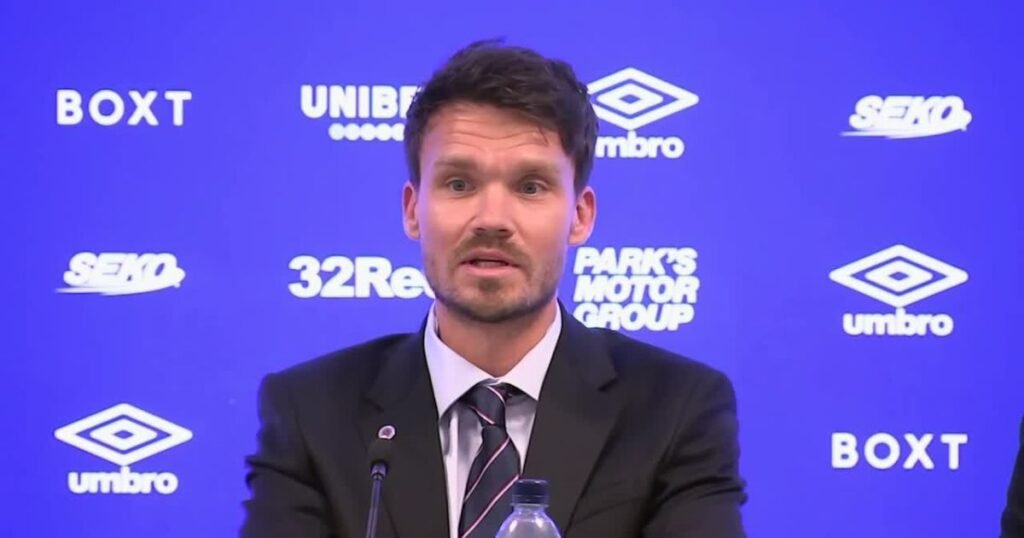
In the aftermath of the mockery of the Ibrox disaster, Rangers management took a firm stand against such behaviour, labelling it ‘abhorrent.’ They called on Police Scotland to take immediate action, advocating for accountability among fans who exhibit such disrespectful conduct. A spokesperson underscored the importance of addressing this situation, reminding everyone of the sombre history their club represents, especially concerning the 1971 tragedy.
The Rangers’ condemnation extends beyond just words; it is about protecting the dignity of those who perished in the Ibrox disaster and their families. By seeking police involvement, Rangers aim to instil a sense of discipline and respect in football, emphasising that mocking a tragedy not only desecrates the memory of the lost lives but poses significant cultural and societal questions about football fan behaviour.
Police Scotland Investigation: Addressing Football Rivalry Incidents
Following the mocking incident, Police Scotland announced they would oversee a thorough investigation into the events at Pittodrie. While they mentioned they hadn’t received any reports concerning the offensive gestures at the time, the increasing frequency of football rivalry incidents calls for a proactive approach. With recent episodes of volatility in fan interactions, authorities must be prepared to intervene and hold individuals accountable for their actions.
Such investigations are crucial, as they not only unearth specific misconduct but also help to establish a broader understanding of the culture within football fan communities. If left unaddressed, mocking tragedies like the Ibrox disaster may lead to escalated tensions between rival clubs, resulting in unfortunate confrontations and damaging experiences for all involved.
Pittodrie Match Controversy: A Moment of Reflection
The incident following the Pittodrie match marks a painful reminder of how deeply rivalries can affect the emotional landscape of football. Just days after the Rangers’ memorial for the Ibrox disaster, this mockery reflects poorly on the values of sportsmanship and respect that the league aims to uphold. Fans from both sides must reconcile their passion with the need for dignity, especially when discussing events that have resulted in loss of life.
As the dust settles on this controversy, both clubs and their fan bases need to evaluate how they can prevent similar incidents in the future. Discussions should focus on promoting respect and understanding, urging fans to remember the humanity behind their rivalries, especially during commemorative moments. Engaging in productive dialogues can foster a more positive environment and diminish the instances of abusive behaviour surrounding the sport.
Consequences for Disrespectful Behaviour in Football
Historically, consequences have followed disrespectful behaviour within the world of football. The recent case involving Darren Malloch, who was banned from attending matches for ridiculing the Ibrox disaster, underscores a zero-tolerance approach towards such acts. His actions not only drew a legal penalty but also a personal consequence, as he lost his job due to the viral nature of his disrespectful behaviour.
This approach serves as a potential deterrent for individuals who may think twice before mocking tragic events associated with any football club. By upholding strict measures, football authorities can illustrate that while rivalry remains part of the culture, some lines should never be crossed. Through legal repercussions and community awareness, the hope is to cultivate a football environment where respect trumps rivalry.
Nico Raskin Incident: A Layer of Complexity
In a new twist to the events surrounding the Pittodrie match, a provocative incident involving Rangers player Nico Raskin has come to light. Captured on camera, Raskin’s confrontation with an Aberdeen fan became yet another focal point of debate about player conduct and fan interactions. This event adds a layer of complexity to the narrative, showcasing the broader tensions that can arise from single moments in high-pressure environments.
Raskin’s actions, while perhaps not directed at the Ibrox disaster specifically, contribute to an ongoing cycle of hostility seen during matches. Fans are likely to interpret player actions as representative of larger rivalries, with both sides needing to recognise the influence they have on shaping the crowd’s behaviour. As investigations proceed, both police and club officials will need to address how player conduct can either escalate or de-escalate tensions among supporters.
Importance of Commemorating the Ibrox Disaster
Commemorating the Ibrox disaster serves as a solemn reminder of the disaster’s legacy, underscoring the shared history of those affected within the Rangers community. Each anniversary and memorial not only honours the memory of the fallen but also reinvigorates discussions about safety regulations and fan conduct in today’s football environment. When rivalries overshadow respect for such events, it diminishes the collective grieving process that includes friends and family of the victims.
The obligation to remember those who lost their lives encourages current fans to adopt behaviours aligned with compassion rather than hostility. It invites proponents of sportsmanship to reflect on the values that underpin football, fundamentally shifting the narrative from rivalry to remembrance, creating a football community where shared human experiences are the priority.
Community Reactions to Recent Incidents
The response from the football community regarding both the mockery of the Ibrox disaster and the subsequent incidents of poor behaviour has been one of shock and condemnation. Supporters of Rangers and many neutral fans have expressed their disappointment, highlighting the urgent need for improved conduct among football fans. This collective outrage signals a desire for change, pushing various stakeholders to advocate for better education regarding the significance of such tragedies.
As the conversations surrounding these incidents unfold, community leaders and club officials are likely to take a closer look at how rivalries are celebrated and perpetuated within the culture. Advocating for a campaign-centred on respect and empathy in football can lead to a healthier environment, fostering camaraderie instead of conflict among rival supporters.
The Future of Football Rivalries: Lessons Learned
The recent events involving the mockery of the Ibrox disaster and the controversies during matches indicate a critical opportunity for football clubs to reshape the narrative surrounding rivalries. It is clear that, while passion for one’s team is integral to the sport, it must come with an understanding of its impact on human lives. Clubs are urged to consider initiatives that promote respect and remembrance, fostering a growth-oriented attitude among fans.
It is essential to establish a new culture of football that prioritises positive interactions, especially during pivotal commemorations. The continued education of fans about the historical significance of events like the Ibrox disaster could lead to meaningful societal change, where the thrill of competition does not blind individuals to the shared humanity underlying each game.

Co-Founder of Fitba Focus and MMA UK. A lifelong Aberdeen fan with years of experience in the sports media industry, Peter provides expert analysis and a dedicated "Dons" perspective on the Scottish game. He is passionate about giving a voice to fans across the entire Scottish football pyramid.