Author name: Frankie Anderson

Co-Founder of Fitba Focus and MMA UK. A lifelong Rangers fan and former player, he combines over a decade of sports media experience with a deep-seated passion for the Scottish game. From the Ibrox stands to the lower-league terraces, Frankie is dedicated to providing honest, fan-led analysis of the full Scottish pyramid.

Celtic Scottish Premiership

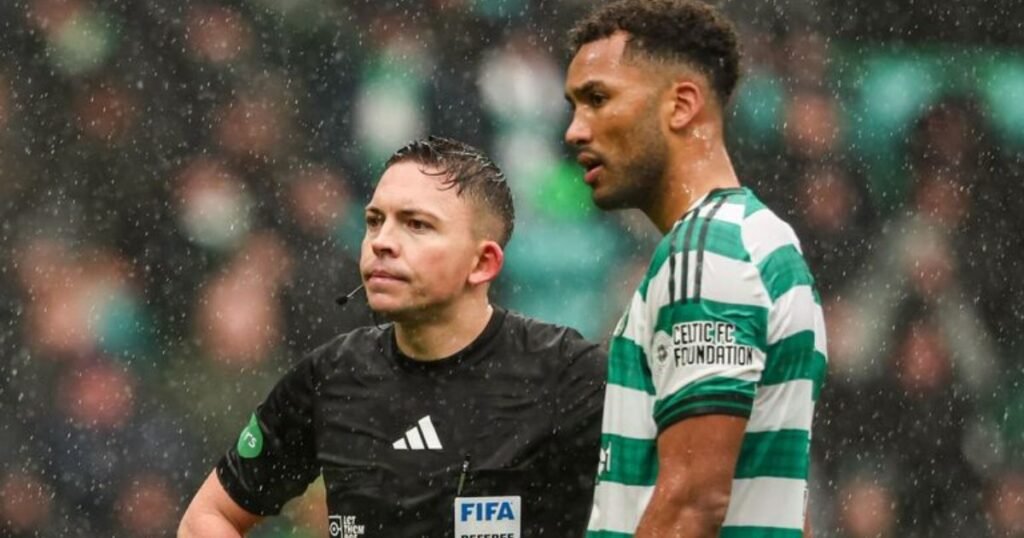
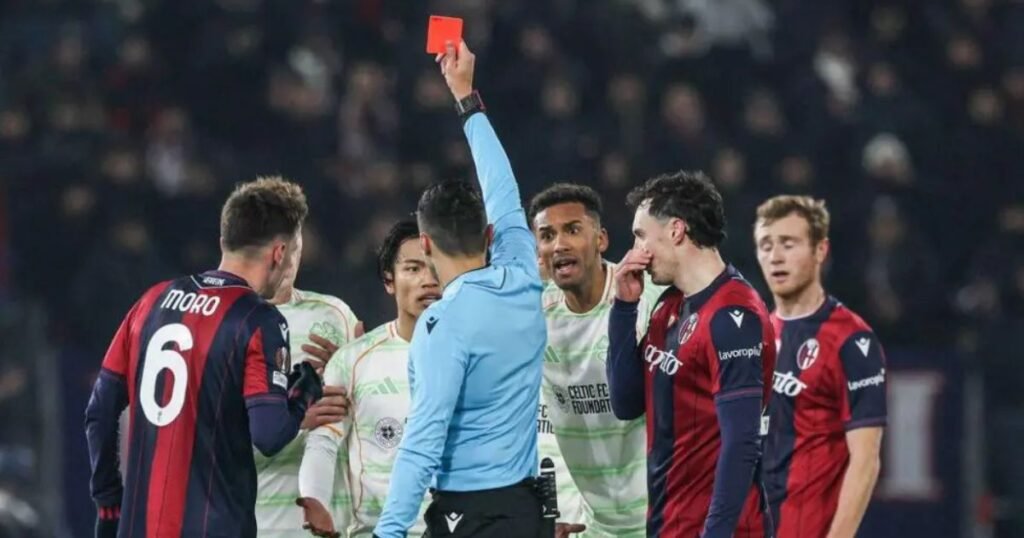
Celtic Demand “Urgent Review” of VAR as Auston Trusty Appeal Fails

Celtic have called for an “urgent review” of VAR after Auston Trusty’s red card appeal was rejected. 🟥 The club claims match audio proves the referee saw “nothing” in the incident. Trusty now misses the Old Firm derby. Get the full story and the club’s explosive statement here. 🍀⚽️ #CelticFC #SPFL #VAR #AustonTrusty #OldFirm #ScottishFootball

Rangers Scottish Premiership

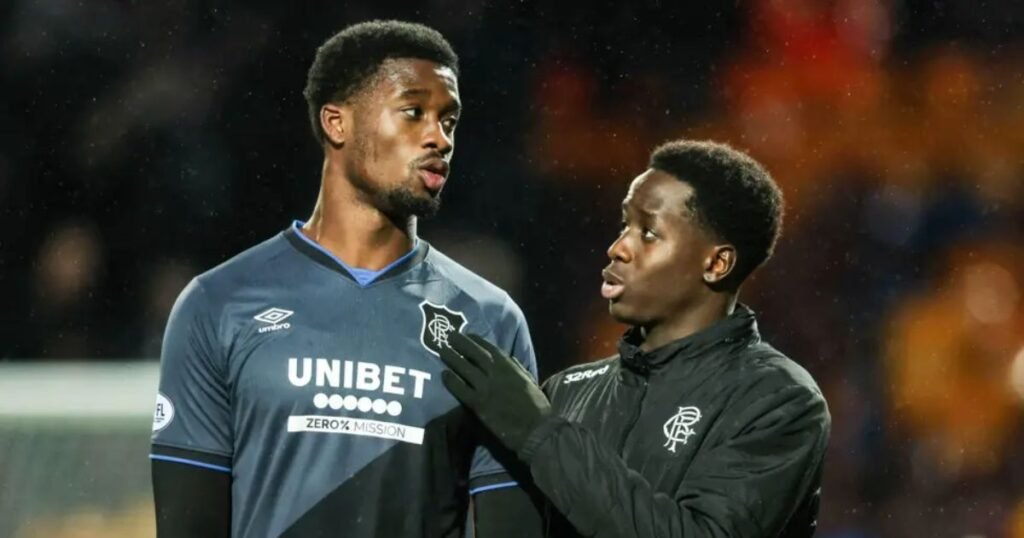
Police Scotland Launch Investigation into “Vile” Racist Abuse of Rangers Duo

Police Scotland are investigating “abhorrent” racist abuse aimed at Emmanuel Fernandez and Djeidi Gassama following Sunday’s match.

🗣️ Rangers: “Simply unacceptable.”
👮 Investigation at an “early stage.”
🚫 Part of a wider weekend of hate across UK football.

There is no place for this in our game.

#RangersFC #NoRoomForRacism #KickItOut #SPFL

Celtic Hibs Match Analysis Scottish Premiership

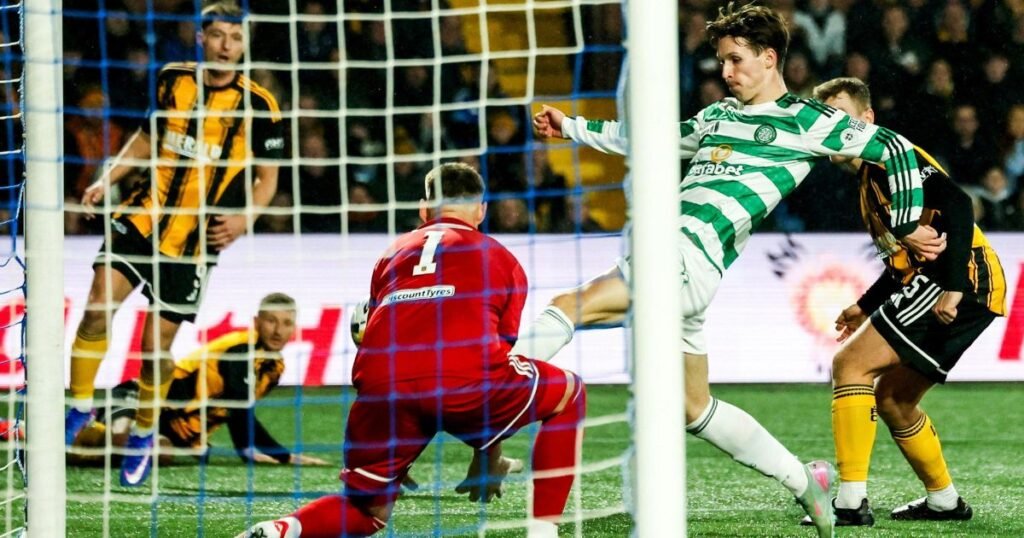
Celtic 1-2 Hibernian: Kai Andrews Late Strike Ends Hibs’ 16-Year Wait for Parkhead Win

A seismic day in the SPFL! 🏴󠁧󠁢󠁳󠁣󠁴󠁿 Hibernian secure their first win at Parkhead since 2010, defeating 10-man Celtic 2-1. With Auston Trusty sent off and Kai Andrews netting a late winner, Martin O’Neill’s title hopes take a massive hit ahead of the Old Firm derby. 🏟️⚽️ #CelticFC #Hibs #SPFL #HeartsFC #ScottishFootball #OldFirm

Celtic Scottish Premiership

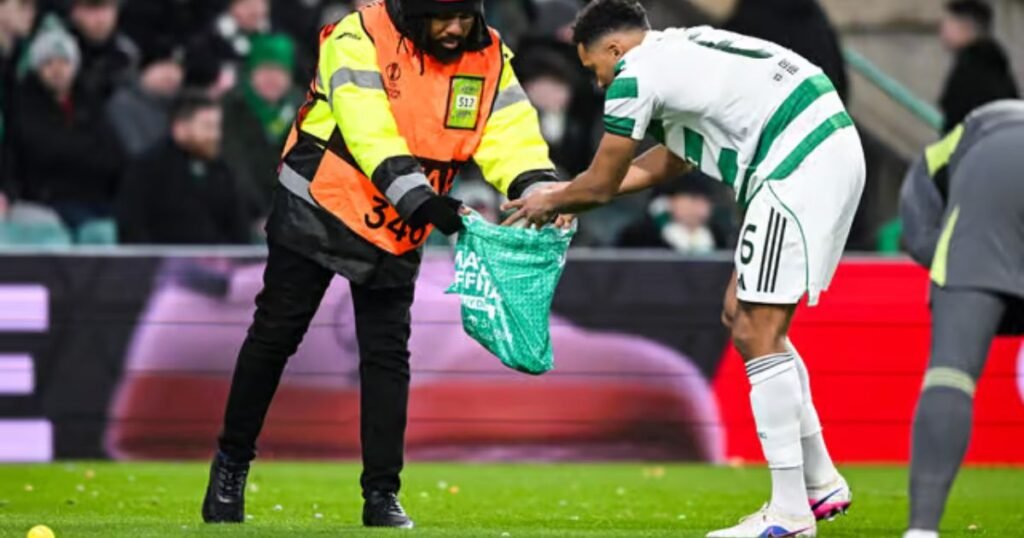
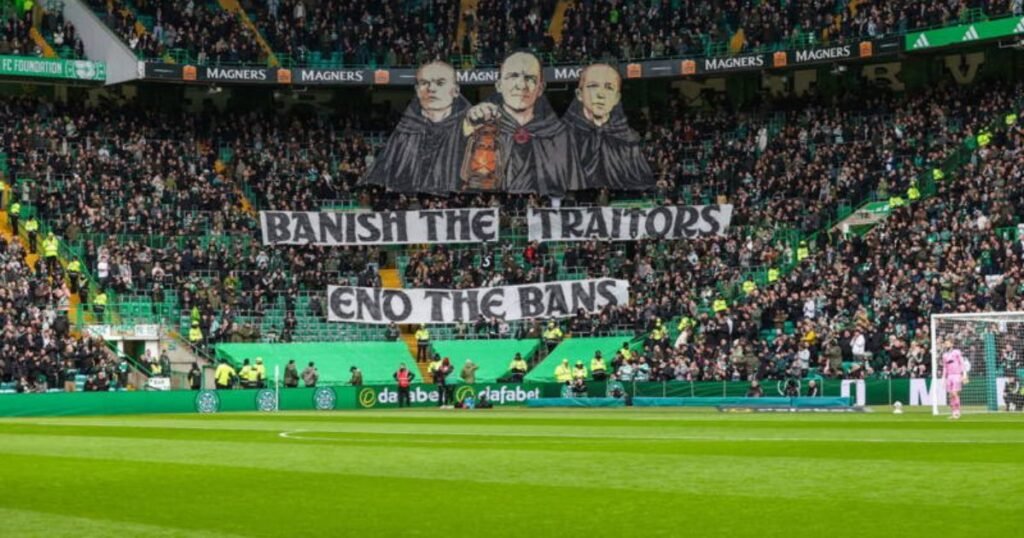
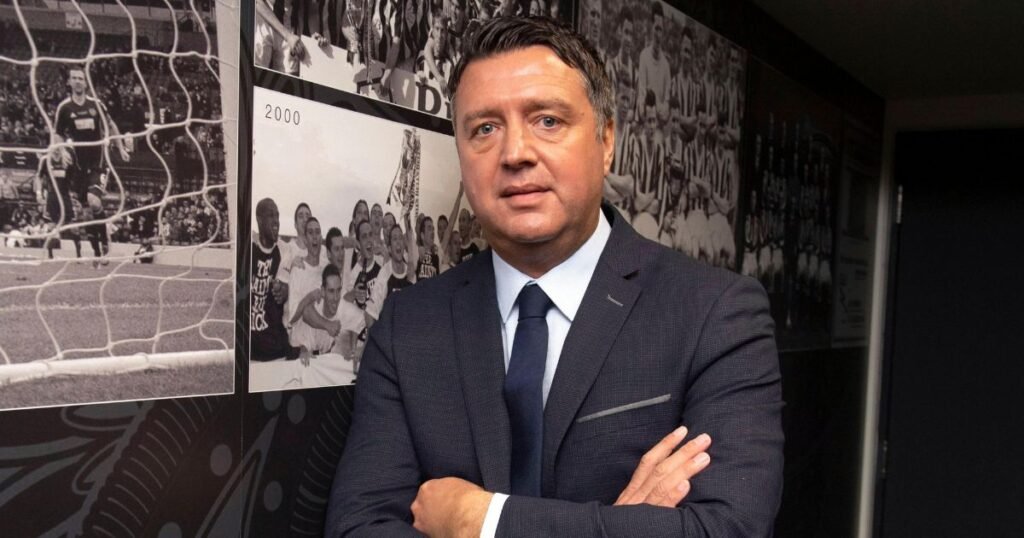
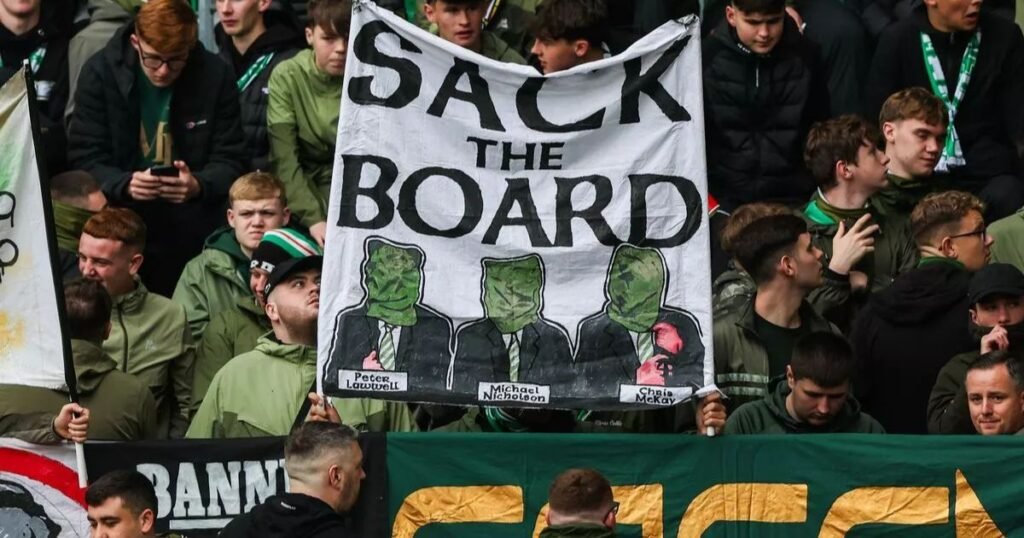
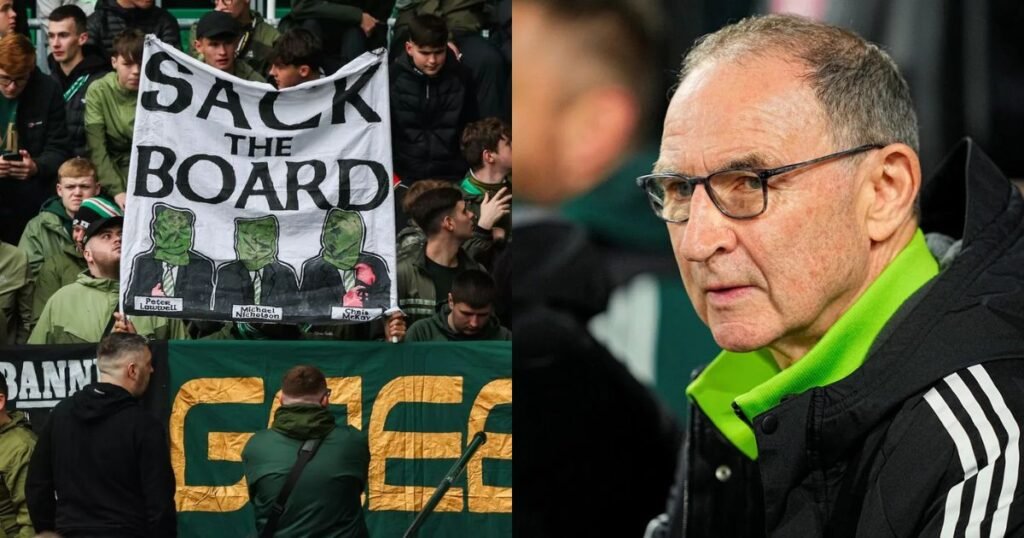
“Unnecessary Conflict” – Celtic Chairman Hits Out at Supporters Following Stuttgart Protest

Interim Celtic Chairman Brian Wilson has released a statement following the tennis ball protests vs Stuttgart. 🎾❌

🗣️ “Debilitating and unnecessary atmosphere of conflict.”
⚠️ Suspensions will NOT be lifted unconditionally.
🤝 Good faith meetings with Green Brigade in doubt?

#CelticFC #GreenBrigade #BrianWilson #Stuttgart

Celtic Scottish Premiership Transfers

Celtic Reject Improved £17m Nottingham Forest Bid for Arne Engels as Martin O’Neill Sets ‘£100m’ Price Tag

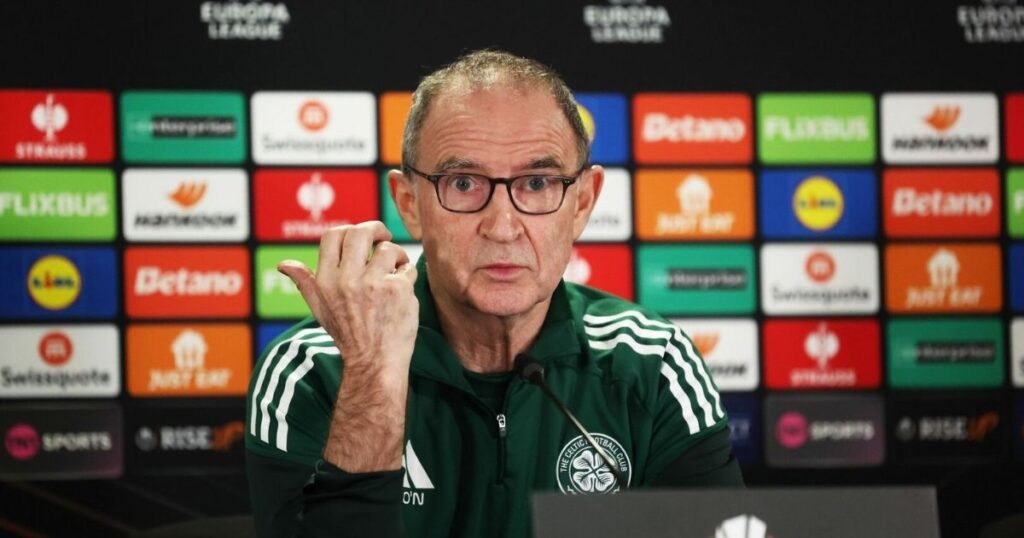
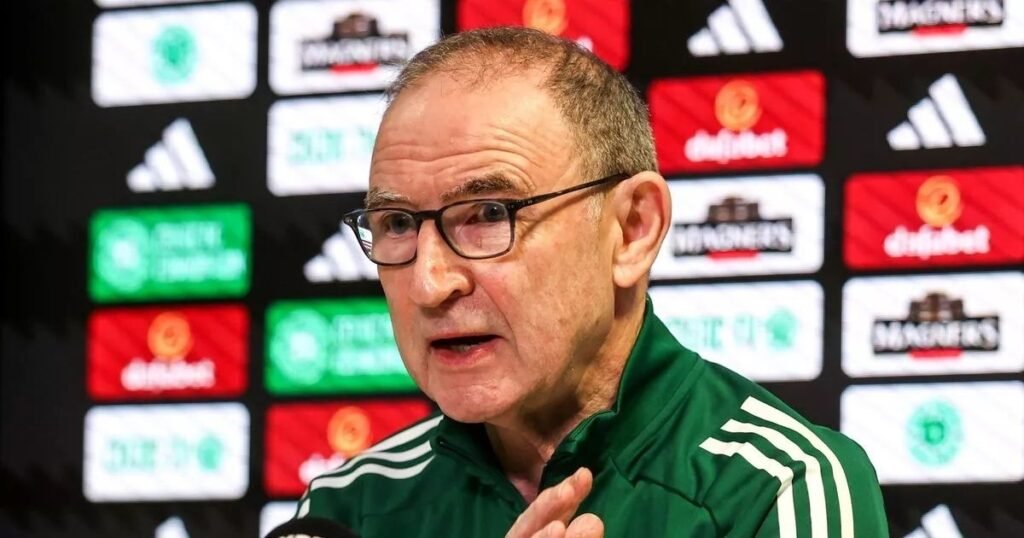
CELTIC have officially knocked back a second, improved offer from Nottingham Forest for Belgian midfielder Arne Engels as the January transfer window enters its final hours. The Premier League side returned with a bid of approximately £17.3 million (€20m) on Monday morning, following the rejection of an initial £14 million proposal on Sunday. However, the Parkhead board has stood firm, mirroring the defiant stance of interim manager Martin O’Neill. Engels, who joined the Hoops for a club-record £11 million from Augsburg in August 2024, has become a vital cog in the Celtic machine, making nearly 90 appearances and securing a domestic double in his debut season. Despite the lure of a healthy profit, Celtic appear determined to keep their prize asset for the run-in. “I’d Want it Rebuffed” Speaking after Celtic’s 2-0 victory over Falkirk on Sunday—where goals from Tomas Cvancara and Benjamin Nygren secured the points—O’Neill was unequivocal about the player’s value to his squad. “Honestly, I am telling you, I didn’t know anything about it,” O’Neill said regarding the initial Forest interest. “If they have [bid], then they must have done it during the game. And I would want it rebuffed, unless it was £100m.” The veteran manager, currently in his second interim spell following the recent departure of Wilfried Nancy, added: “Then I think the board would step in there. No, absolutely, I would rather keep him.” Title Race and European Ambitions The decision to retain Engels comes at a critical juncture. Celtic currently sit six points behind leaders Hearts in the Scottish Premiership and have a massive Europa League play-off tie against VfB Stuttgart looming this month. Losing a key midfield presence like the 22-year-old Belgian international would be a significant blow to O’Neill’s hopes of chasing down the Jambos. While Forest, currently 17th in the Premier League under Sean Dyche, may yet test Celtic’s resolve with a third offer before the 11 PM deadline, the message from Glasgow is clear: Engels is not for sale. Incomings on the Horizon While slamming the door on departures, O’Neill confirmed that Celtic are working hard on their own recruitment. The Hoops are reportedly closing in on loan deals for Freiburg striker Junior Adamu and Lorient winger Joel Mvuka to bolster an attack that has been “running on empty” according to the manager. Celtic fans—is the board right to hold out for more, or should we have cashed in on Engels to fund a deadline day spending spree? Let us know your thoughts in the comments!

Celtic

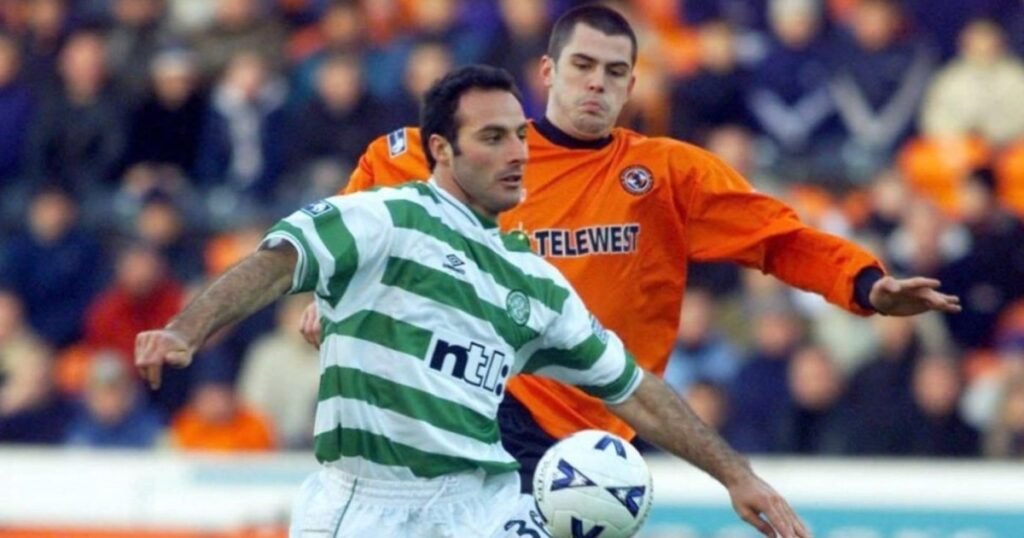
Lubomir Moravcik: Celtic’s Hidden Gem Praised by Ramon Vega

Former Celtic defender Ramon Vega has sparked a debate among fans by claiming that Lubomir Moravcik deserves to be considered one of the best players in the world.Playing alongside the legendary Henrik Larsson, Vega insists that Moravcik’s exceptional skills were pivotal to Celtic’s triumphs during the 2000/01 season.

Football News Scottish National Team

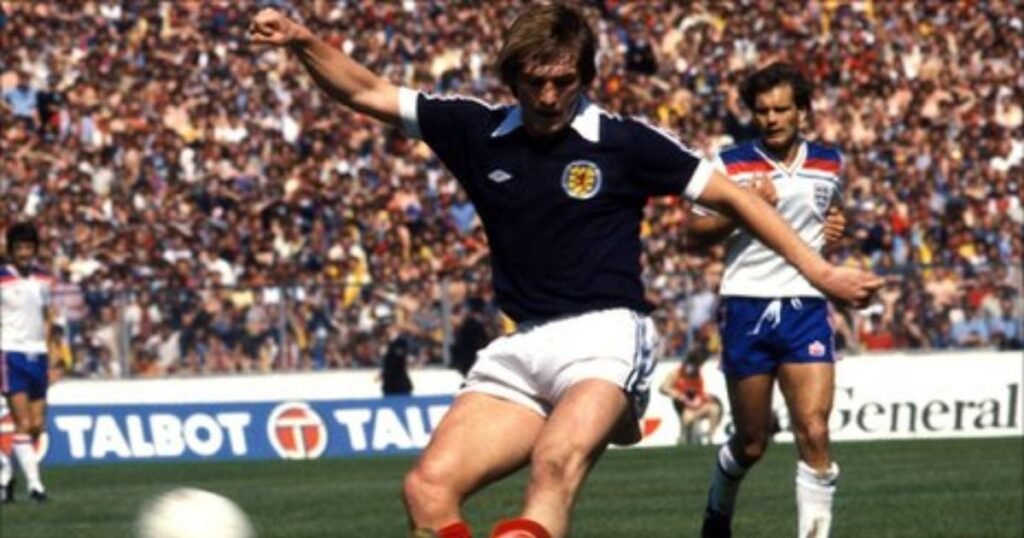
James McFadden Declared Bankrupt as Former Scotland Star Faces £2.5m Debt

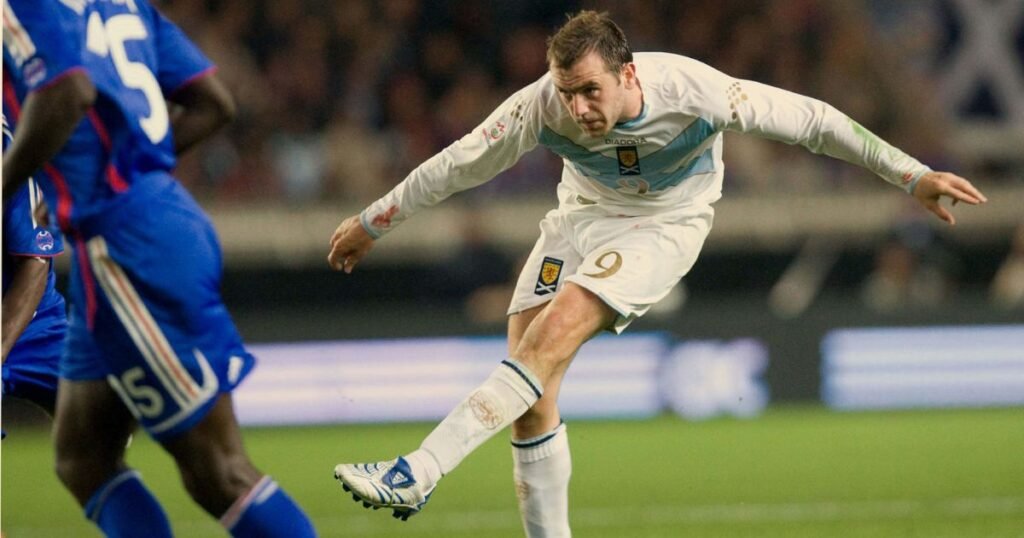
James McFadden, one of Scottish football’s most recognisable modern-era figures, has been declared bankrupt after amassing debts in excess of £2.5million. The former Scotland international and Everton forward, now 42, is understood to have voluntarily entered sequestration after being unable to meet substantial tax liabilities. Reports indicate total debts of £2,594,192. McFadden rose to prominence with Motherwell, winning the Scottish PFA Young Player of the Year award in 2003 before earning a move to the Premier League. He went on to represent Everton, Birmingham City and Sunderland south of the border, while also enjoying multiple spells back in the Scottish Premiership. While his club career was distinguished, McFadden’s most enduring legacy remains with the national team. He earned 48 caps for Scotland and famously scored the iconic winner against France in Paris during Euro 2008 qualifying — a goal still regarded as one of the greatest in the country’s football history. Since retiring in 2018, McFadden has remained a visible presence in the game, working as an assistant coach with Scotland and establishing himself as a respected football pundit with broadcasters including Sky Sports. However, like a number of former professionals, McFadden has been unable to escape long-standing financial issues stemming from investments made early in his playing career. It is understood that he invested in film production partnerships and property schemes during the early 2000s, which were marketed at the time as offering tax advantages. Those schemes were later ruled by HM Revenue and Customs to constitute tax avoidance, leaving investors exposed to significant retrospective tax bills. McFadden was previously taken to court by HMRC in 2018 over an unpaid sum, which was settled with assistance from a family member. Opus Restructuring, the insolvency firm overseeing the process, confirmed that McFadden had entered sequestration voluntarily. In a statement, a spokesperson said: “This follows losses connected to historic property and film investment schemes in the early 2000s and associated tax matters. All appropriate legal processes are being followed.” McFadden’s case echoes similar difficulties faced by other former players caught up in failed tax schemes, highlighting once again the financial risks footballers were encouraged to take during that era. Despite the financial setback, McFadden remains a highly respected figure in Scottish football, remembered above all for his contribution on the pitch and one unforgettable night in Paris.

Scottish Championship Scottish League Cup Scottish League One Scottish League Two Scottish Premiership

Understanding The Scottish Football League System – A Fan’s Guide

This concise guide puts you in control of the Scottish game, showing how the pyramid structure operates, how promotion and relegation and playoffs can be the most perilous moments for your club, and how the passion of supporters shapes every tier; you will learn where teams sit, what movement between divisions means for finances and rivalries, and how to follow the season with confidence. Types of Leagues You’ll encounter both national, fully professional divisions and a dense network of regional, part‑time and amateur competitions; the top four national tiers form the core of the SPFL, while the pyramid below features the Highland and Lowland leagues feeding regional divisions. Attendances, budgets and full‑time squads are concentrated in the upper tiers, with the Premiership (12 clubs) standing apart in revenue and European qualification opportunities. Promotion and relegation between tiers via automatic places and playoffs National cups (Scottish Cup, League Cup) include clubs from all levels Regional leagues (West, East, South) often consist of semi‑professional or amateur outfits Tier League / Notes 1 Scottish Premiership – 12 clubs, European spots, highest revenues 2 Scottish Championship – 10 clubs, playoff route to Premiership 3 League One – 10 clubs, mix of full‑time and part‑time squads 4 League Two – 10 clubs, promotion/relegation with pyramid via playoffs Professional Leagues When you follow the professional tiers, you should note that the four national divisions under the SPFL are structured to balance competition and commercial viability: the Premiership (12 clubs) provides European qualification slots and accounts for the largest match‑day and broadcasting incomes, whereas the Championship, League One and League Two (each typically 10 clubs) operate tighter budgets and greater variance in squad professionalism. Clubs such as Celtic and Rangers average crowds in the high tens of thousands, creating a marked financial gulf between the top and lower national tiers. Match consequences are tangible – automatic relegation, multi‑round playoffs and licensing criteria mean you can track a club’s fate across seasons: for example, the playoff system between Championship and Premiership often decides final promotion spots after a two‑leg series, while clubs moving down face reduced revenue and tighter wage policies. Amateur Leagues You’ll find the grassroots side characterised by regional leagues – West of Scotland, East of Scotland and South of Scotland among them – many sitting at tiers below the Lowland/Highland level and fielding predominantly amateur or semi‑professional teams. The pyramid integration since 2013-20s has allowed clubs to climb from local leagues into the national system: a notable case is Kelty Hearts, who moved from the Lowland League into League Two and then established themselves further up the structure within a few seasons. Facilities, volunteer support and community ties shape these leagues; gate receipts are modest, so clubs rely on sponsorship and fundraising, and the SFA licensing process governs any club’s eligibility for promotion into the national tiers – you should check licences and ground criteria when following promotion candidates. Further details matter: cup competitions like the Scottish Amateur Cup, regional cup runs and local derby attendances often define a club’s season and can generate momentum for a push up the pyramid; development pathways for youth and community programmes are also central to sustaining progress in the amateur game. Recognizing how the professional and amateur structures interlink helps you follow promotion routes, financial pressures and the real stakes for clubs across every level. Step-by-Step Guide to Understanding the System Begin by mapping the pyramid top to bottom: the SPFL’s top four divisions sit at tiers 1-4, followed by the regional tier‑5 leagues and numerous feeder leagues below. As you work through fixtures, table positions and play‑off permutations, focus on the team counts-Premiership 12, Championship 10, League One 10, League Two 10-because those figures determine how many automatic places and play‑off slots exist each season. Next, translate that map into action: track automatic promotion spots, the play‑off paths for 2nd-4th places and the interchange between the SPFL and the Highland/Lowland Leagues. Use the table below to follow a practical sequence you can apply week to week when assessing promotion possibilities and relegation risk. Step-by-step checklist Step What you should check and why 1. Identify the tier Confirm which tier a club occupies (SPFL Tiers 1-4 or Tier 5 Highland/Lowland); movement rules differ sharply by tier. 2. Note league size Count the teams (e.g. Premiership 12); that affects automatic relegation/promotion slots and the number of play‑off places. 3. Track final positions Determine who finishes 1st (usually automatic promotion) and who finishes in play‑off positions (2-4 in most SPFL divisions). 4. Follow play‑off format Understand home/away legs and seeding: lower play‑off rounds are two‑legged ties leading to a final that may face a higher‑tier team. 5. Check eligibility Verify club licensing and ground standards; failure to meet SFA/SPFL criteria can block promotion even if a club wins on the pitch. 6. Watch inter‑league play‑offs For tier 4↔5 movement, look for the Highland vs Lowland champions and the subsequent tie against League Two’s bottom club. Overview of League Structure You should see the system as two parts: the SPFL’s national, professional tiers (1-4) and the semi‑professional/regional pyramid beneath them. The SPFL was formed in 2013 and runs the Premiership (tier 1, 12 clubs) down to League Two (tier 4, 10 clubs); directly below, tier 5 has the Highland and Lowland Leagues which act as the main feeders into the national game. When you assess a club’s pathway, factor in geography and club resources: a Highland League champion faces a different logistical and financial reality from a Lowland champion, and both must meet off‑field standards to progress. That off‑field dimension often decides promotion as much as results do on the pitch. Promotion and Relegation Mechanics In the top tiers you’ll see a mix of automatic moves and multi‑round play‑offs: the Premiership champion is safe at the top while the bottom club is relegated, and typically the team finishing 11th enters a play‑off with the Championship play‑off winner. Within the Championship, League One and League Two, the usual model is automatic

Opinion

Iconic Stadiums Of Scottish Football – A Journey Through The Grounds

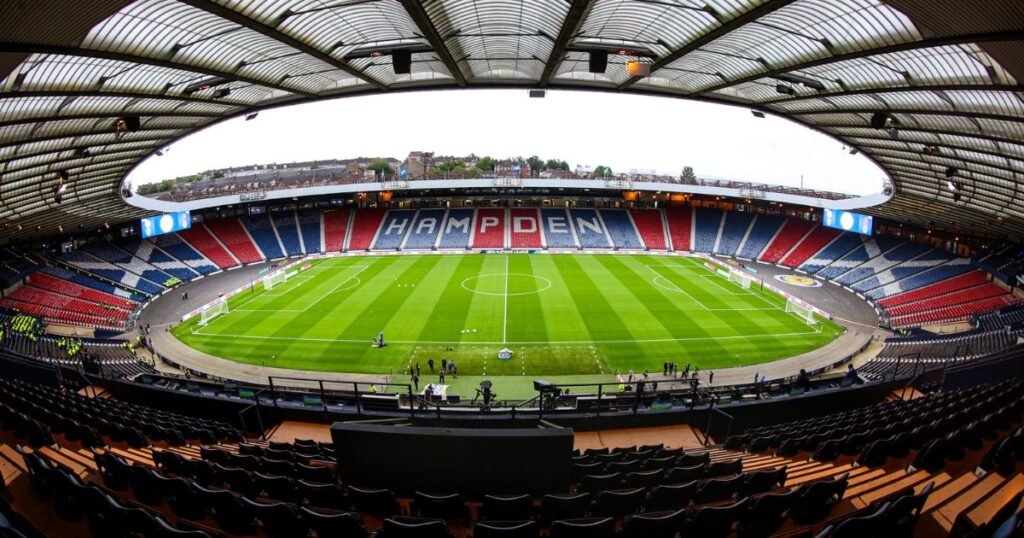
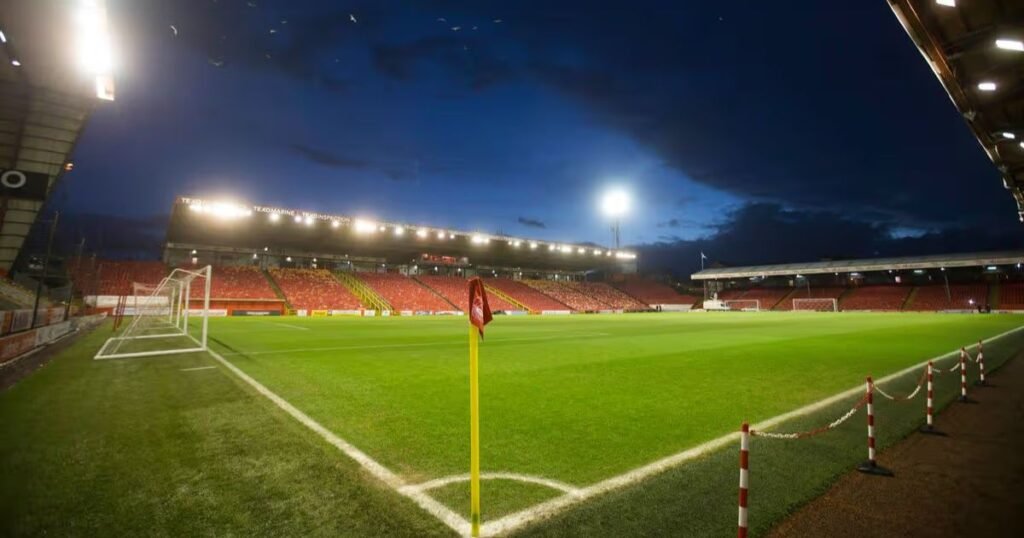
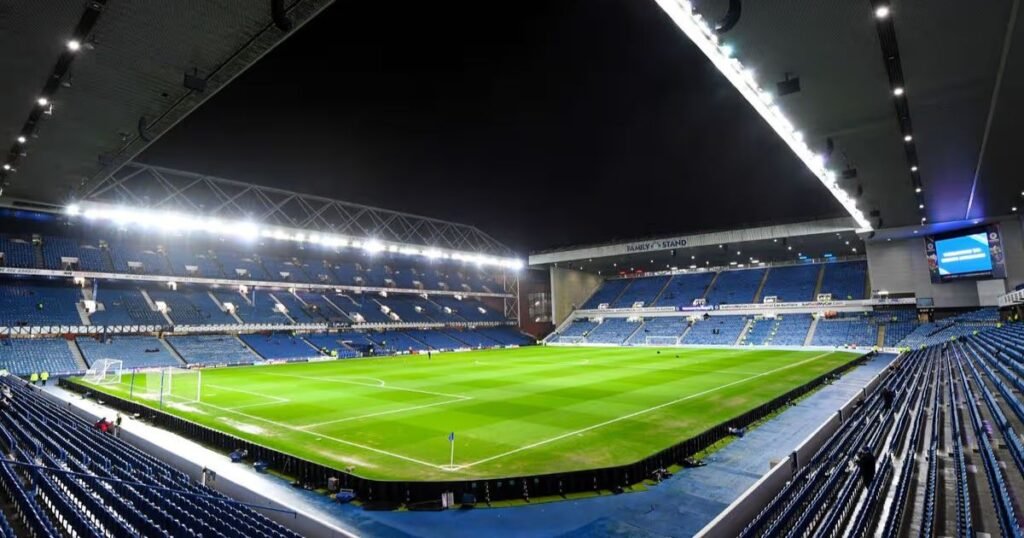
As fans, we don’t just go to games; we step into Scotland’s football cathedrals. From the salt-aired terraces of Ayrshire to the cauldrons of Glasgow, our stadiums are where historic charm meets civic pride. Whether it’s the electric atmosphere of a derby or the quiet weight of a century of history, every ground in the Scottish pyramid tells a story. At Fitba Focus, we believe the stadium is just as important as the 90 minutes on the pitch. This is our definitive guide to the architecture, the tragedy, and the triumph of Scotland’s most famous grounds. The Historic Giants: Hampden and Ibrox Hampden Park: The National Stage When you walk into Hampden Park, you’re standing on the ultimate stage of the Scottish game. With a current capacity of 51,866, it’s the home of the national team and the Scottish Cup Final. The Legend: In 1937, a staggering 149,415 people packed in for Scotland v England—a record that still boggles the mind today. The Modern Era: Today, it’s an all-seater UEFA-category arena. If you’re planning a visit, I always recommend the Scottish Football Museum onsite—it’s the best way to see how the historic sightlines were preserved during the 20th-century redevelopments. Ibrox Stadium: The Blue Room and the Roar You feel the identity of Ibrox before you even see the turnstiles. Home to Rangers with a capacity of 50,817, it is one of the most imposing club stadia in Britain. A Hard-Won History: Ibrox’s history is complex, marked by the tragedies of 1902 and 1971. These events didn’t just change the club; they changed global football safety, accelerating the move to the modern, all-seater stands we see today. The Experience: For the best atmosphere, you want to be in the Broomloan or Govan areas. That’s where you’ll truly feel the “Ibrox Roar.” Modern Marvels: Celtic Park and Murrayfield Celtic Park: “Paradise” in the East End With a capacity of roughly 60,800, Celtic Park is a literal fortress. When those Champions League lights go on, the atmosphere is seismic. The Reconfiguration: The 1990s transformation into a massive all-seater bowl changed everything. It’s now a perfect blend of high-intensity support and top-tier facilities. What to look for: Don’t miss the Lisbon Lions legacy displays. The ground manages to feel like a modern European arena while keeping its cultural depth firmly rooted in its history. BT Murrayfield: The Giant of the East While it’s primarily the home of Scottish Rugby, Murrayfield remains the country’s largest stadium, holding 67,144. Its bowl design and steep tiers offer some of the most commanding sightlines in world sport, frequently hosting major football fixtures and international concerts. What Makes a Ground Special? 1. The Proximity of the Fans: In Scotland, we love being close to the action. Grounds like Tynecastle and Easter Road are designed to pull the supporters right onto the pitch. In Dundee, you have the unique sight of Dens Park and Tannadice sitting just 200 yards apart. 2. Architectural Milestones: We’ve always been pioneers. Pittodrie in Aberdeen became the first all-seater stadium in Britain back in 1978, setting the standard for spectator comfort and safety across the UK. 3. Community and Economy: These aren’t just blocks of concrete; they are economic anchors. A sell-out at a ground like Celtic Park can generate over £1.8m in ticket revenue alone, supporting local pubs, shops, and transport links. The Future: Net-Zero and Modernisation The next decade will see our stadiums change again. With Scotland aiming for net-zero by 2045, expect to see solar PV, LED floodlighting, and hybrid pitches as standard. Clubs are moving away from total rebuilds, opting instead for stand-by-stand upgrades to keep the history alive while improving accessibility for all fans. What’s your favourite away day in Scotland? Is it the intensity of the Glasgow grounds or the traditional charm of a seaside stadium? Let us know in the comments!
Rangers Scottish Premiership

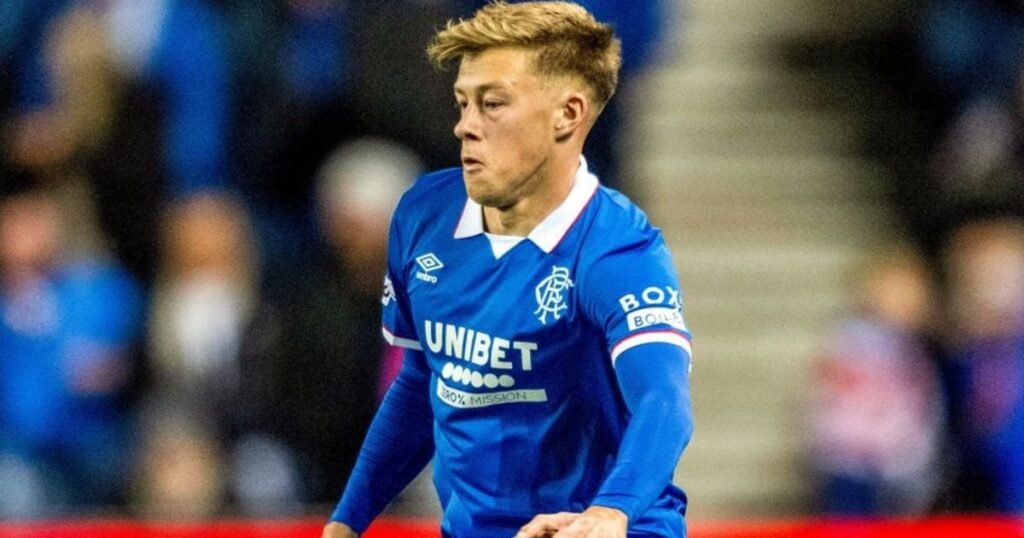
Rangers Surprise Critics as Ibrox Boss Leads Team to Second Place in Premiership, Closing Gap on Hearts

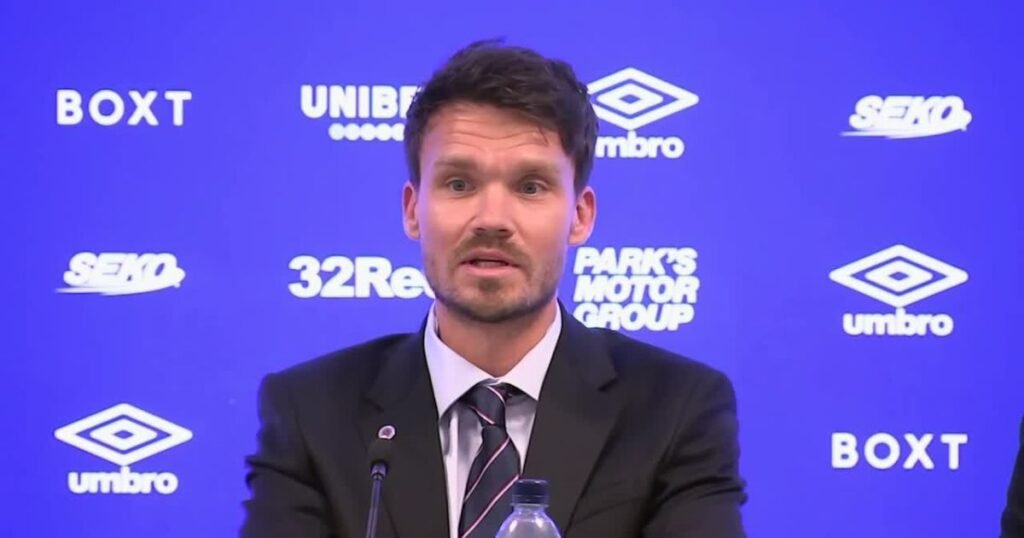
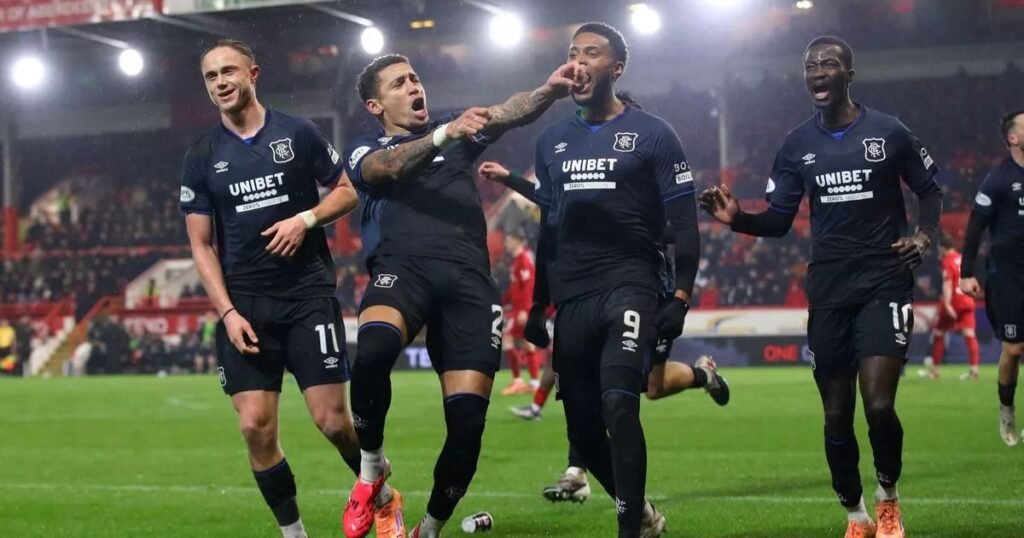
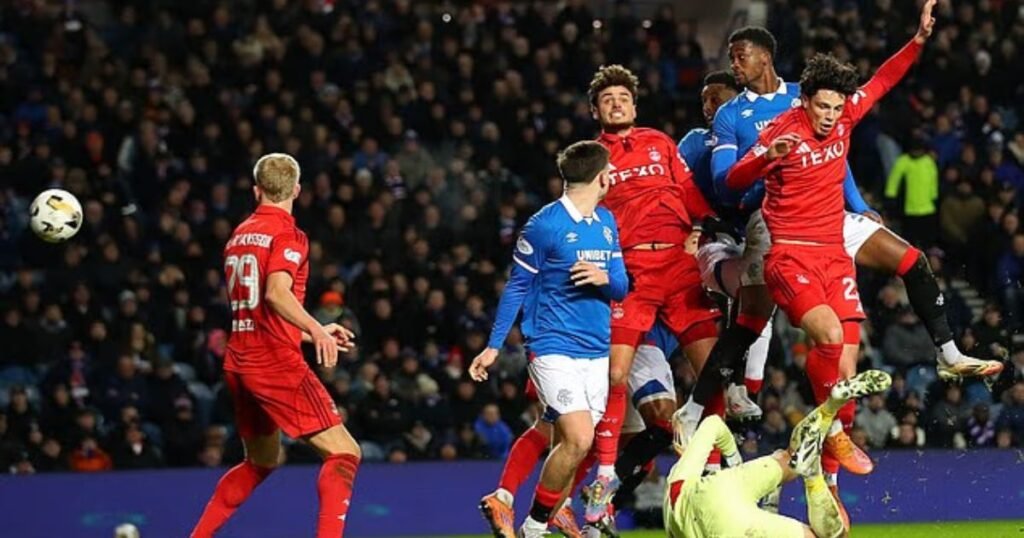
Rangers have left critics stunned as you witnessed them climb to second place in the Premiership with a comfortable 2-0 win over Aberdeen at Ibrox, thanks to first‑half strikes from Manny Fernandez and Nicolas Raskin. You’ll feel the momentum – they’re now just three points behind leaders Hearts, and the atmosphere around the club has shifted sharply in your favour. Danny Rohl has taken charge of a recovery that you might not have seen coming after he inherited a mess from Russell Martin. His record of ten wins and two draws in 13 league matches tells you everything about the turnaround. As Rohl put it: ‘I think at first it’s important to say it’s not just me personally. I have a fantastic coaching team, it’s not a one-man show, we’re doing this together with the club, with my players, with the coaches, with the staff behind the coaches. ‘We’re growing together. We are in a fantastic way, I think we surprised a lot of people since I’m here. ‘But, for me, it’s about the next game. I’m hungry, I’m ambitious, I know what it means and which effort we need until the end of the season and this is to do a lot more.’ You’ll have noticed he’s not complacent about the January window. Rangers are linked with Silas Andersen, the Danish youth international currently at BK Hacken, and Rohl was candid: ‘Yeah, we are in the process, we work on this,’ he said. ‘The last two days after the big win, the players who were on the bench, they are on the front foot. ‘They want to be part of the train at the moment and you have to be on the front foot, otherwise we leave the train station without some players, and this is tough. ‘We need the challenge, we need a strong squad. This is also important for me, when we make subs we have to be better, that we get impacts.’ Your take on the performance will be that Rohl’s side played some crisp football at times and showed a calmness you expect from promotion-chasing outfits. Rohl said: ‘They played some good football for some minutes, in some parts we had some easy ball-losing situations, but all in all, I’m very proud of the group at the moment. ‘After the game at the weekend, you never know, it’s always difficult to play three days later again, but we delivered again, and the next three points help us. ‘You should not forget, you play against a team, you never know what comes when they change the manager.’ From the other dugout, Peter Leven rued missed chances and told you his side gave a response but lacked finishing: ‘I’m disappointed to lose the goals that we lost. ‘But the boys reacted the way I wanted. The pressing was good, the intensity, the fight was there. ‘At times when we do play, we look like a good team. I thought we had enough chances to take something from the game. ‘We had clearer chances (to score goals ourselves). You need to take those opportunities. Just add a little bit of end product, a little bit of composure.’ So, if you follow Rangers, this feels like a season where belief is returning – and you’re watching a side that could mount a proper title challenge if the squad is strengthened and the form keeps coming.

Match Analysis Scottish Premiership

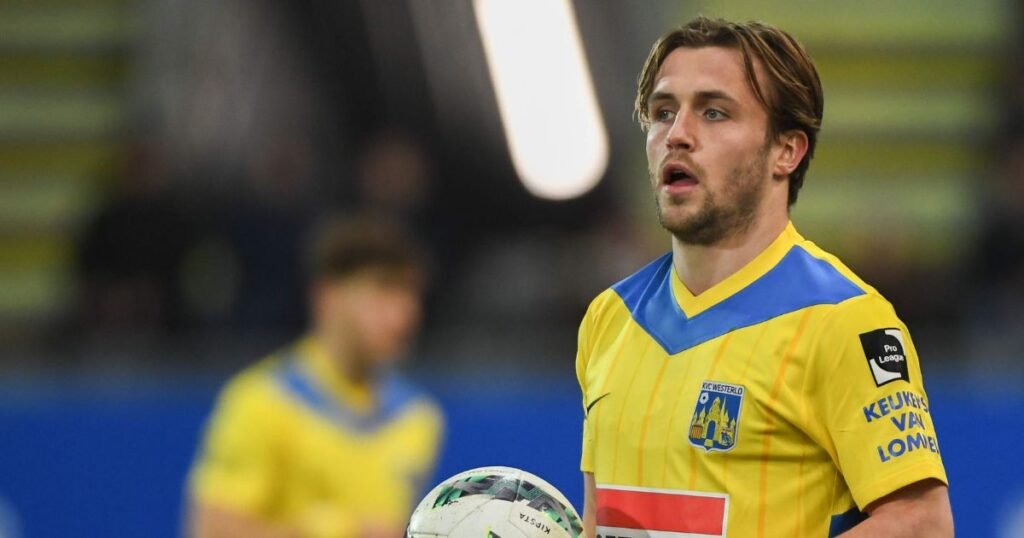
Rangers Beat Aberdeen 2-0 as Danny Rohl’s Side Climbs to Second in Premiership

On a bitterly cold night at Ibrox, Rangers delivered another commanding performance, taking another step in the right direction under Danny Rohl. Just three days after a statement victory at Celtic Park, the team showed they can manage the adrenaline and pressure that come with big fixtures, proving they are firmly in the title race. The opening goal set the tone for the evening. Manny Fernandez was on hand to capitalise on a rare mistake from Dimitar Mitov, heading home from a perfectly delivered Connor Barron corner. It was a textbook set-piece finish and a reminder of the impact that Scott Fry, the set-piece coach, has had since joining in November. Moments later, Nico Raskin doubled the lead, again from Barron’s delivery, underlining Rangers’ threat from dead-ball situations and their clinical approach in front of goal. Rangers dominated from the first whistle, moving the ball with tempo and authority. James Tavernier was influential, linking play and creating openings, while Mohamed Diomande’s drive and energy added another dimension. For all their effort, Aberdeen offered little resistance. Kenan Bilalovic’s early misses symbolised a side struggling for confidence, and sloppy fouls and poor decisions only compounded their problems. The second half saw Rangers ease off slightly, but the game was never in doubt. Jack Butland made a few crucial saves, while Fernandez’s defensive work and timely blocks ensured Aberdeen could not mount any serious challenge. The visitors’ defensive frailties and lack of cohesion were apparent throughout, leaving Peter Leven plenty to ponder ahead of Sunday’s Pittodrie clash. Rangers’ victory now sees them four wins on the spin since the Tynecastle defeat, cutting the gap to Hearts to just three points in the league. For Rohl, this is confirmation that his side can respond to setbacks and handle the pressure of leading the Scottish Premiership chase. While there is still room for improvement, the confidence, tempo, and composure displayed here suggest this team is growing into a genuine contender. Set-pieces continue to be a major weapon. Both goals came from corners that looked straight out of training, showing how meticulous preparation can pay dividends in tight games. It’s a reminder that tactical attention to detail, combined with individual quality, can make all the difference at this level. Rangers now look like a side capable of grinding out results, but also of taking their chances when they arise. Aberdeen, by contrast, are drifting. Their fifth defeat in six matches leaves them in danger of falling further behind the top six. Unless Leven or his successor can galvanise this underperforming squad, the challenge for European qualification will only get tougher. On this evidence, the Dons were second best across the park and never really threatened to change the outcome. Sunday’s trip to Pittodrie will be another test, but Rangers are showing all the hallmarks of a team growing in confidence and belief. With a blend of set-piece prowess, structured defending, and attacking authority, Rohl’s side are very much in the hunt for the Scottish Premiership crown.

Scroll to Top