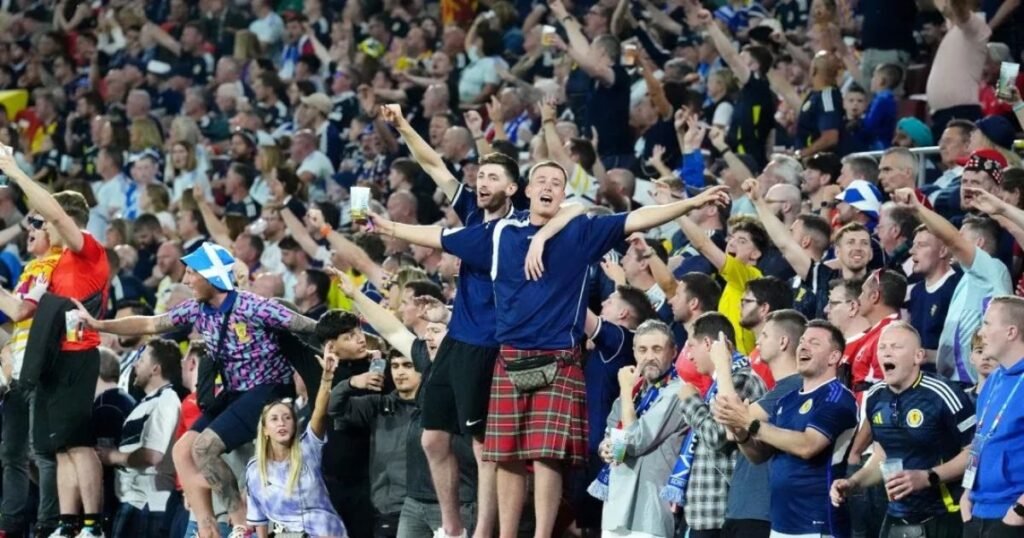
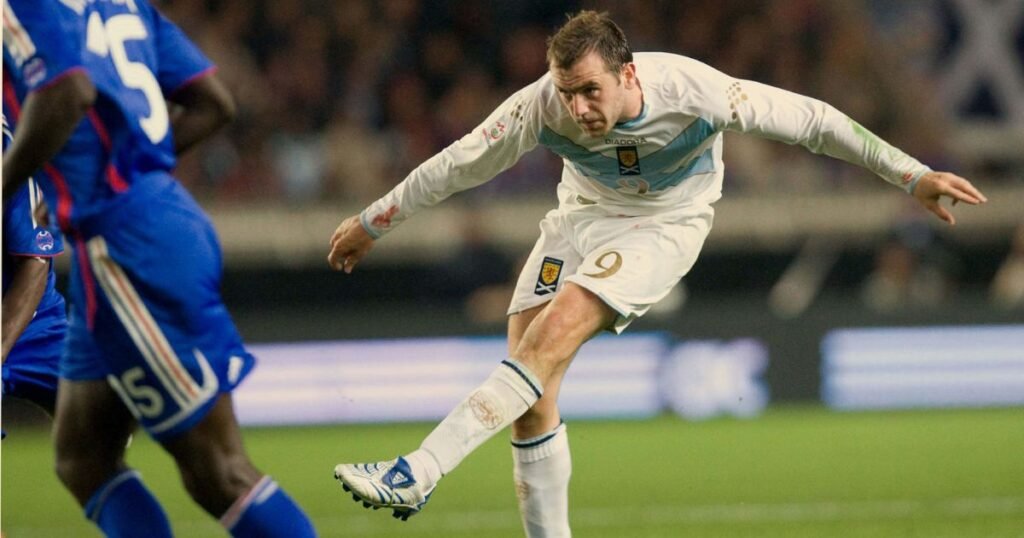
The UEFA Nations League has become a permanent and influential part of the international football calendar, and the 2026/27 edition is no different. With all 54 UEFA member associations involved, the league phase draw plays a crucial role in shaping the competition, determining who plays who and setting the path for promotion, relegation and progression to the latter stages. The league phase draw will take place on 12 February 2026, and while the format may appear complex at first glance, it follows a structured and carefully controlled system designed to balance competitiveness, logistics and political considerations. Four Leagues, One Structure All participating nations are divided into four leagues — A, B, C and D — based on the official UEFA access list. Final league placements are subject to confirmation following the 2024/25 Nations League C/D play-offs, which conclude in March 2026. Where final positions are still undecided at the time of the draw, placeholder teams are used. Leagues A, B and C each consist of 16 teams, split into four groups of four. Teams in these leagues play six matchesduring the league phase, facing each opponent home and away. League D is smaller, containing six teams divided into two groups of three. Teams in League D play four matches, again on a home-and-away basis. Seedings and Draw Pots Explained To ensure balance, teams within each league are split into draw pots based on their rankings. In League A, the top 16-ranked nations are divided evenly: Pot 1 includes the highest-ranked teams Pots 2 to 4 follow in descending order The same structure applies to Leagues B and C, with teams ranked 17th to 48th distributed across four pots in each league. For League D, the remaining six teams are split into two pots: Pot 1 contains four teams Pot 2 contains the remaining two In cases where rankings depend on unresolved play-off ties, placeholders are used during the draw and later replaced once results are confirmed. Step-by-Step Draw Procedure The draw begins with League D, followed by Leagues C, B and finally A. League D is drawn first. Teams from Pot 1 are allocated alternately between groups D1 and D2 until the pot is empty. Pot 2 then completes the groups, ensuring both contain three teams. For Leagues C, B and A, the process is identical. Pot 1 teams are drawn first and placed sequentially into groups (C1 to C4, B1 to B4, A1 to A4). This process is repeated for Pots 2, 3 and 4. Once complete, each group contains exactly one team from each pot. This method ensures competitive balance while avoiding clusters of similarly ranked teams. Draw Conditions and Restrictions UEFA applies several draw conditions to manage political sensitivities, travel demands and weather risks. Prohibited clashes prevent certain nations from being drawn together. For this draw, Bosnia and Herzegovina and Kosovo cannot be placed in the same League B group. Other political restrictions do not apply, as affected teams are in different leagues. Excessive travel restrictions are also enforced. A group may contain no more than one pairing of teams where travel time exceeds eight hours. This rule primarily affects League C, where several long-distance pairings have been identified. If a drawn team would create a second excessive travel pairing in a group, the computer-assisted system redirects the team to the next available group. Winter venue conditions add another layer of complexity. Seven nations are classed as having a medium or high risk of severe winter weather. No more than two winter-risk countries may be placed in the same group. This restriction mainly impacts League C, where multiple winter-risk teams appear across different pots. UEFA’s computer system actively monitors all these conditions during the draw and intervenes automatically when a conflict arises, ensuring the process remains compliant without delaying proceedings. Who Is in the Draw? Every UEFA member association takes part, ranging from elite nations in League A to developing sides in League D. Well-established footballing powers headline League A, while competitive and ambitious nations populate League B — including Scotland, who will be hoping for a favourable draw and a push for promotion. Leagues C and D feature a mix of emerging teams, smaller football nations and those fighting to climb the international ladder. Key Dates for the Competition Following the draw in February 2026, the league phase takes place across six matchdays between September and November 2026. The competition then moves into knockout and play-off stages in March 2027, with the Nations League Finals scheduled for June 2027. Promotion and relegation play-offs involving Leagues C and D conclude in March 2028. A Carefully Balanced System While intricate, the Nations League draw is designed to deliver fairness, excitement and logistical realism. From seeding pots and structured group allocation to travel limits and winter safeguards, every element is built to ensure a competitive and manageable international campaign. As anticipation builds ahead of the draw, nations across Europe will be watching closely — because in the Nations League, a good or bad draw can define an entire international cycle. Who Is Involved in the 2026/27 Nations League Draw? All 54 UEFA member associations will take part in the 2026/27 UEFA Nations League, with teams allocated across four leagues based on their current ranking and recent performance. The draw pots for each league have been finalised, pending the outcome of the League C/D play-offs in March 2026, which will confirm the final placeholders. League A Europe’s elite nations make up League A, with the continent’s top-ranked sides spread evenly across four pots to ensure balance in each group. Pot 1: Portugal, Spain, France, Germany Pot 2: Italy, Netherlands, Denmark, Croatia Pot 3: Serbia, Belgium, England, Norway Pot 4: Wales, Czechia, Greece, Türkiye These teams will compete for places in the quarter-finals and ultimately the Nations League Finals in 2027. League B League B is traditionally one of the most competitive sections, featuring strong nations aiming for promotion to the top tier or looking to avoid relegation. Pot 1: