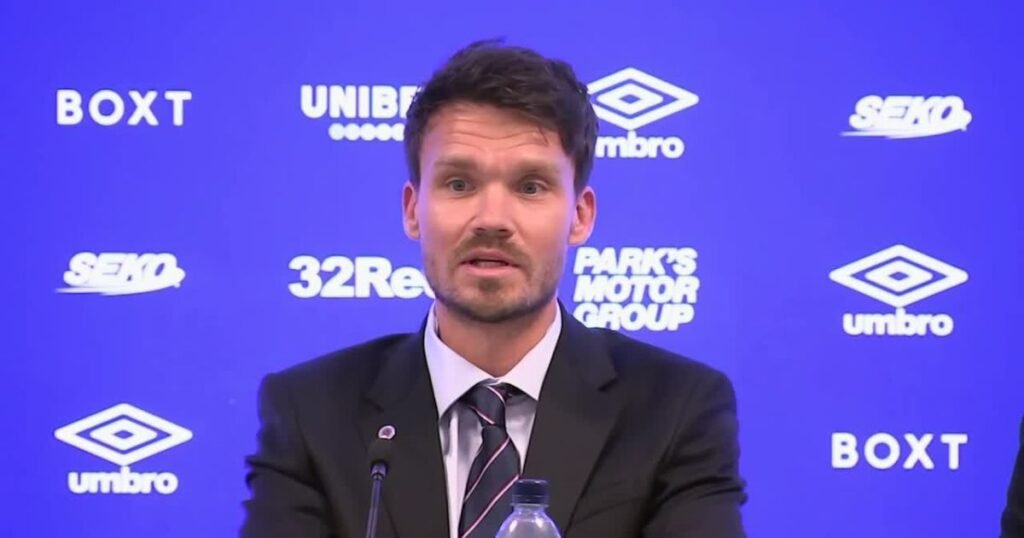
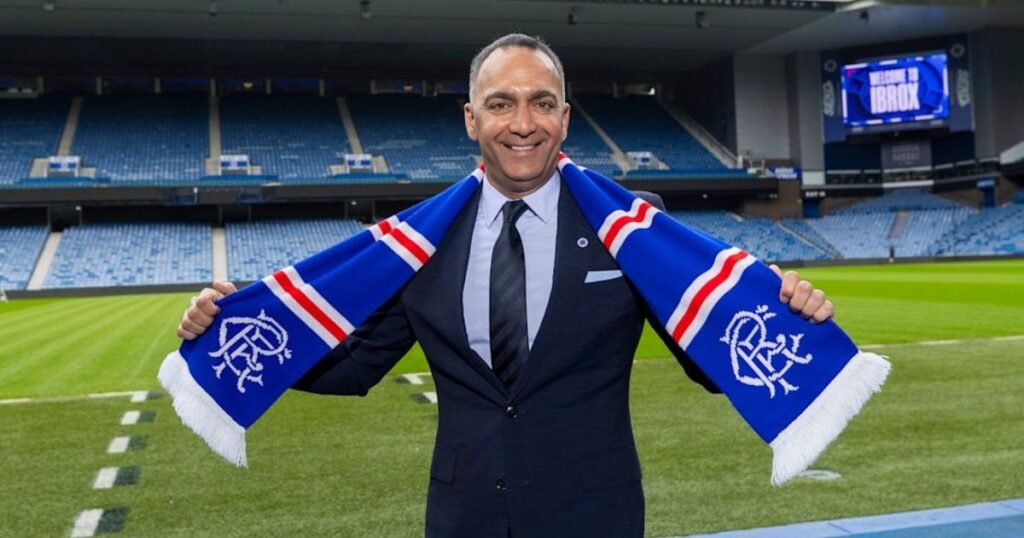
Rangers Football Club has officially confirmed a significant restructuring of its boardroom hierarchy just 48 hours before the most pivotal Old Firm derby of the season. Paraag Marathe, the high-profile American executive who joined the Ibrox board last summer, has stepped down from his role as vice-chairman. Joining him in his departure is Gene Schneur, another key figure from the San Francisco 49ers Enterprise consortium.
The timing of the announcement has raised eyebrows across the Scottish Premiership, but the club was quick to clarify that the move is a pre-emptive strike against increasingly complex UEFA regulations rather than a sign of internal friction or financial withdrawal.
The Multi-Club Ownership Dilemma
The crux of the issue lies in Marathe’s dual role. As the chairman of English Premier League side Leeds United, his presence on the Rangers board triggered UEFA’s strict “Multi-Club Ownership” (MCO) rules. UEFA’s Article 5 is designed to protect the integrity of European competitions, ensuring that no individual or entity has “decisive influence” over more than one club participating in the Champions League, Europa League, or Conference League.
With Rangers almost certain to secure European football for the 2026/27 campaign, and Leeds United still fighting for a Europa League spot via the FA Cup, a conflict was inevitable. UEFA’s deadline for compliance is March 1, and should both clubs have qualified with Marathe in a senior position at both, one club—likely the one in the lower-ranked competition—could have been barred from competing. By stepping down now, Marathe removes the threat of a European ban before it can even materialise.
What This Means for the 49ers’ Investment
For Rangers fans concerned that this signals the beginning of the end for the American investment at Ibrox, the club has offered firm reassurances. The 49ers Enterprises remains the primary investment vehicle behind the scenes. Marathe’s exit from the board is described as a “technical necessity” of governance rather than a financial retreat.
The consortium remains committed to the long-term strategic vision for Rangers, which has already seen significant capital injected into the playing squad and stadium infrastructure over the last twelve months. The club has stated there are currently no plans to replace the departing directors, suggesting a consolidation of power among the remaining board members as they navigate the final months of a frantic title race.
Focus Shifts Back to the Pitch
While the boardroom manoeuvrings are significant, the timing is far from ideal. Manager Danny Röhl has been working tirelessly to keep his players’ focus on the visit of Celtic this Sunday. The distraction of high-level resignations is something the club could have done without in a derby week, but the clarity provided by the statement aims to kill any speculation before it reaches the dressing room.
Röhl’s side currently sits in second place, trailing their rivals, and the stability of the club’s leadership will be tested as they look to leapfrog Celtic in the closing stages of the season. For now, the “American Era” at Ibrox continues—just with a slightly different look in the directors’ box.
🗣️ THE FITBA FOCUS DEBATE: ARE YOU WORRIED?
The link between Leeds United and Rangers has always been a point of discussion. With UEFA now forcing a separation, we want to hear from the fans.
- Does Paraag Marathe’s exit affect your confidence in the board?
- Should Rangers be looking for independent investment rather than multi-club ties?

Co-Founder of Fitba Focus and MMA UK. A lifelong Rangers fan and former player, he combines over a decade of sports media experience with a deep-seated passion for the Scottish game. From the Ibrox stands to the lower-league terraces, Frankie is dedicated to providing honest, fan-led analysis of the full Scottish pyramid.